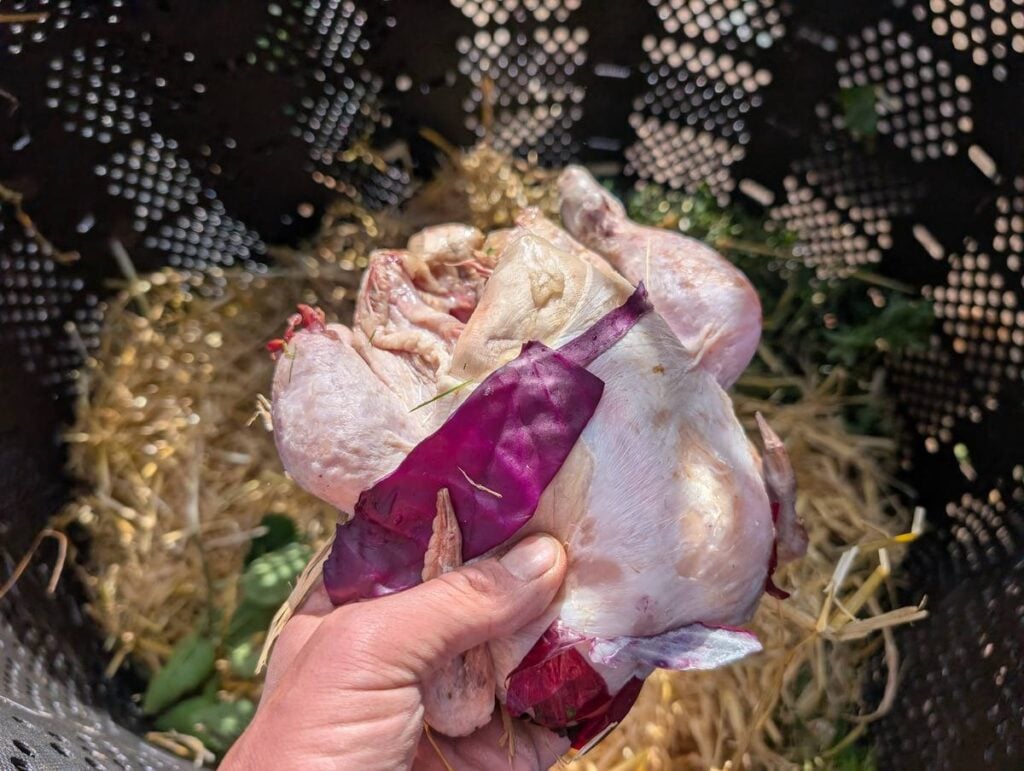
It all started when my wife took a chicken out of the freezer, defrosted and decided it wasn’t fit for eating.
She asked me to get rid of it. As it happened, I’d just set up a Geobin. Ironically, I’d set this up in my chicken pen because I wanted to see if I could get my chickens to turn my compost for me.
(And yes, I know how weird that sounds.)
In this bin, I already had grass clippings from the day before, so I mixed up the grass clippings with some straw, chicken manure and wood shavings. I used a much higher proportion of grass in the middle to ensure it would get hot fast, and added straw around the edges for insulation.
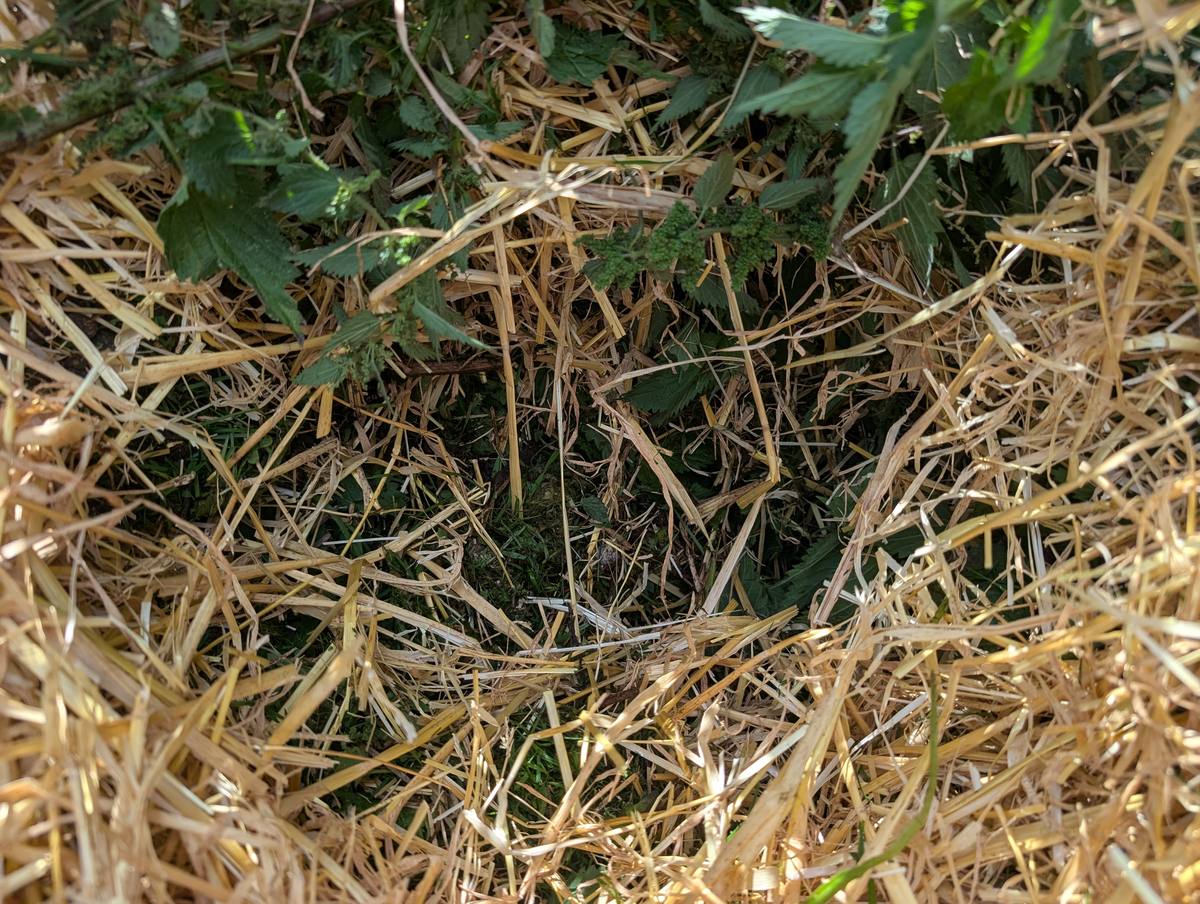
I then made a space deep in the compost, placed the chicken in it and covered it over again.
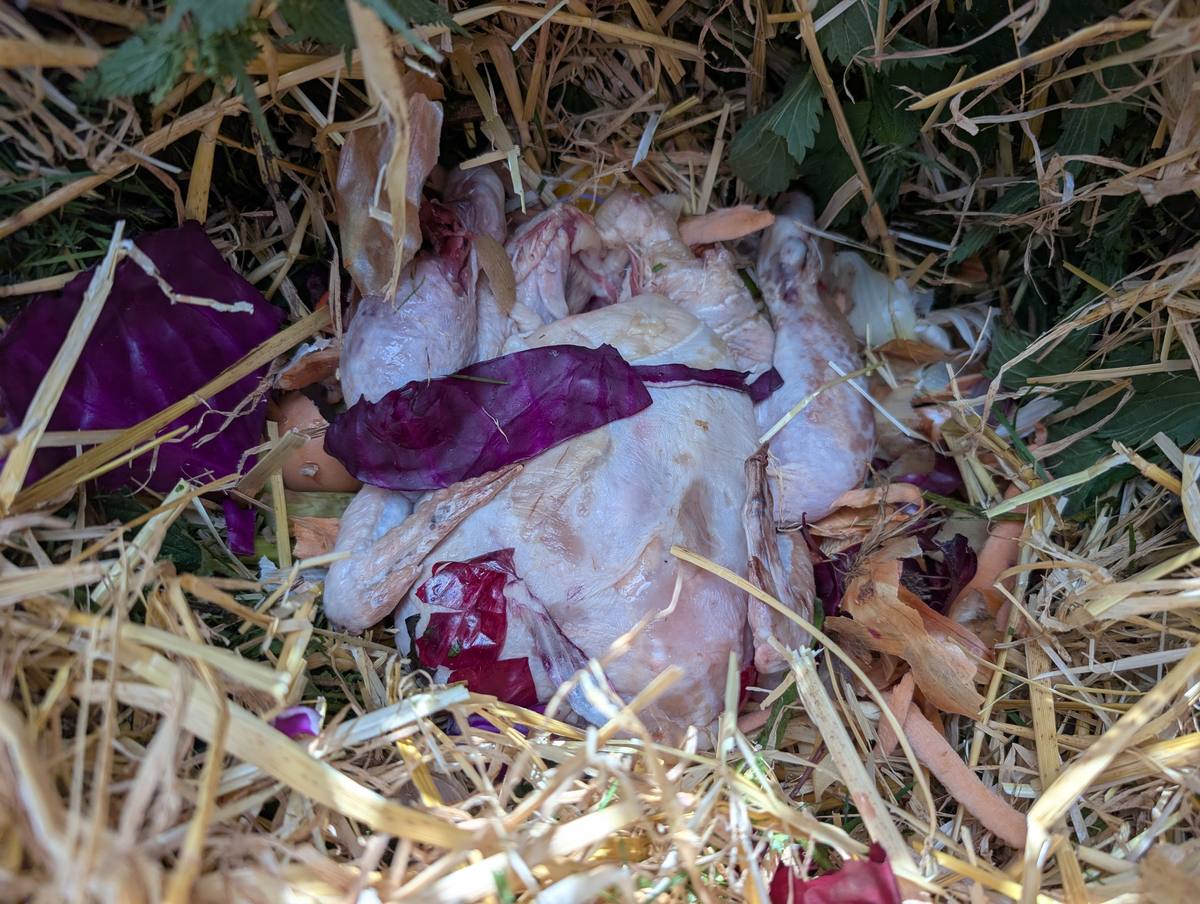
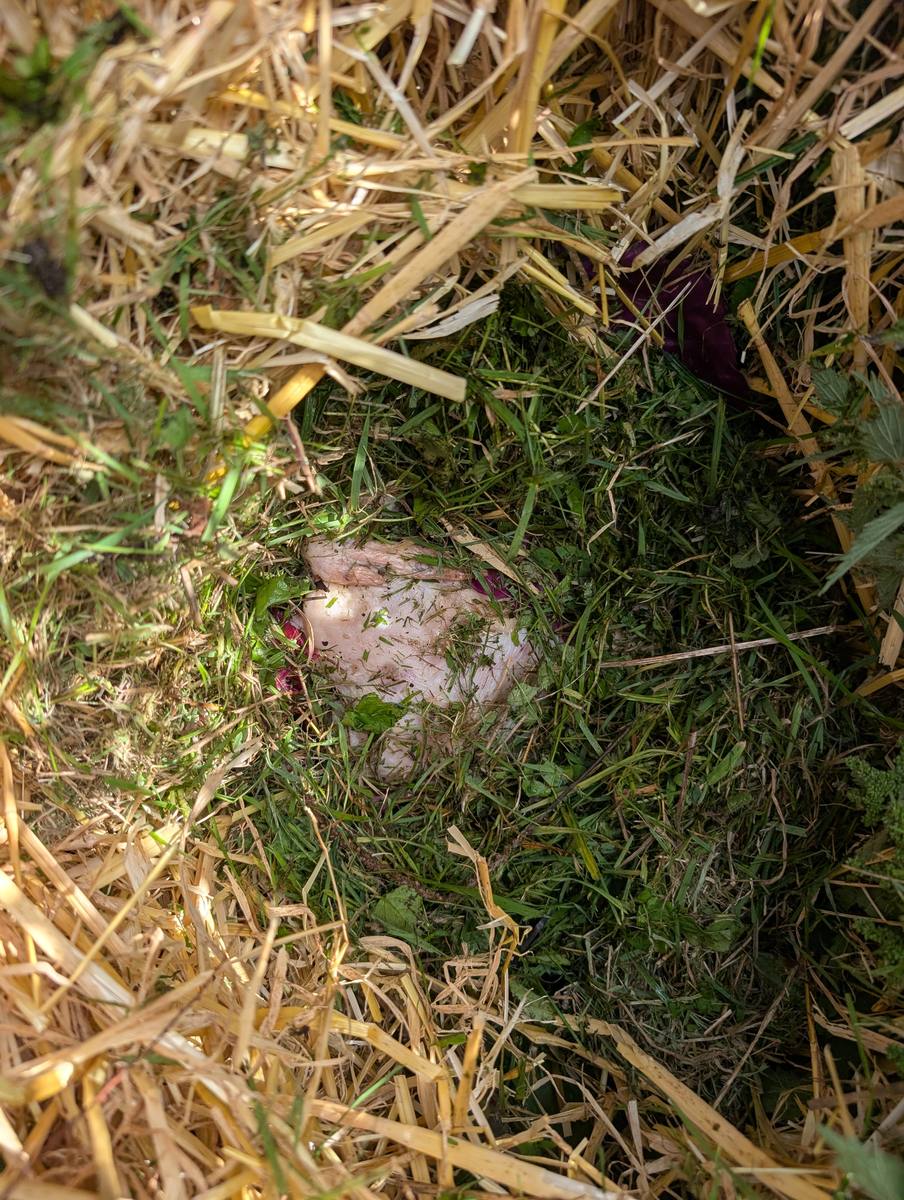
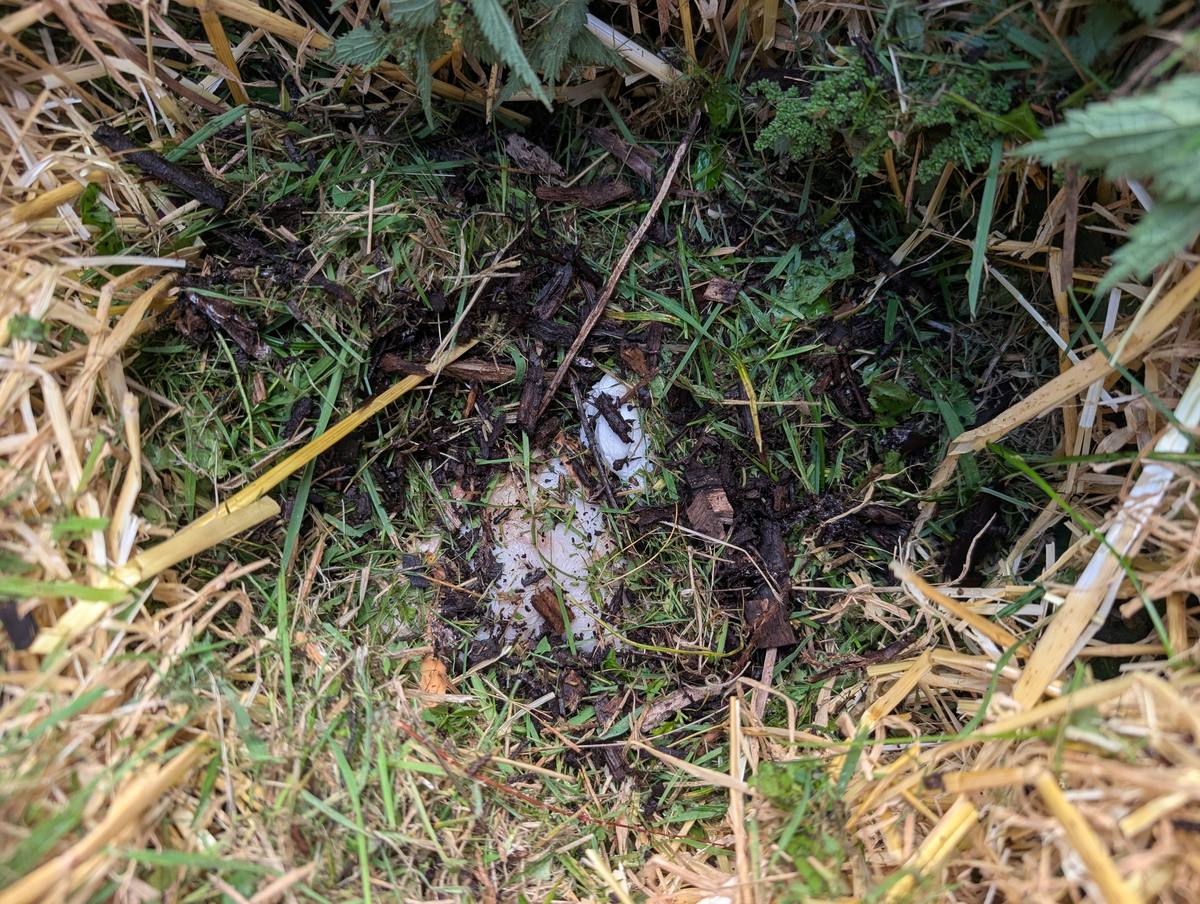
The mix was already warm from the grass I cut the day before, and it heated up quickly. I am not sure whether it was the heat or the straw that did it, but there was no smell at all.
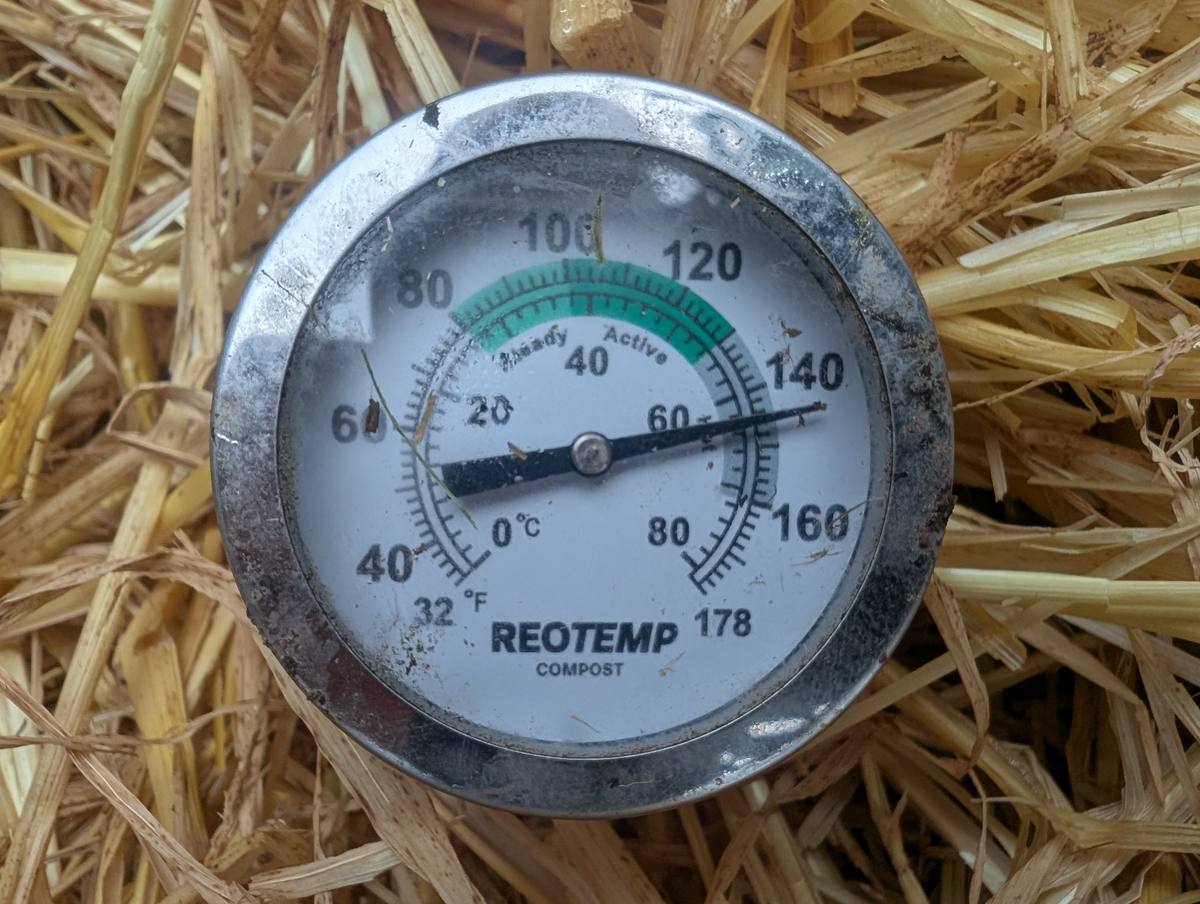
One thing I didn’t realise when I first put the thermometer in was that I had put it right into the chicken – and it was the internal temperature of the bird I was measuring!
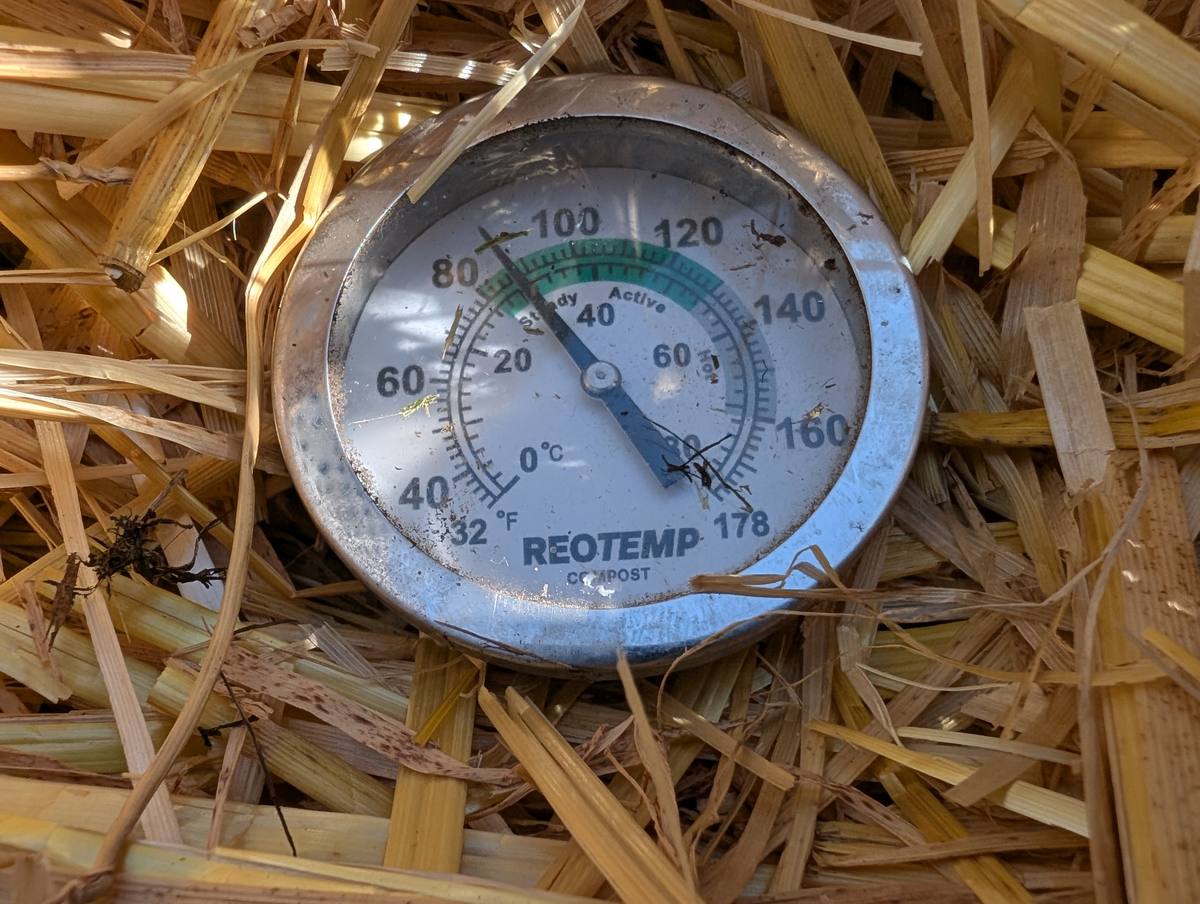
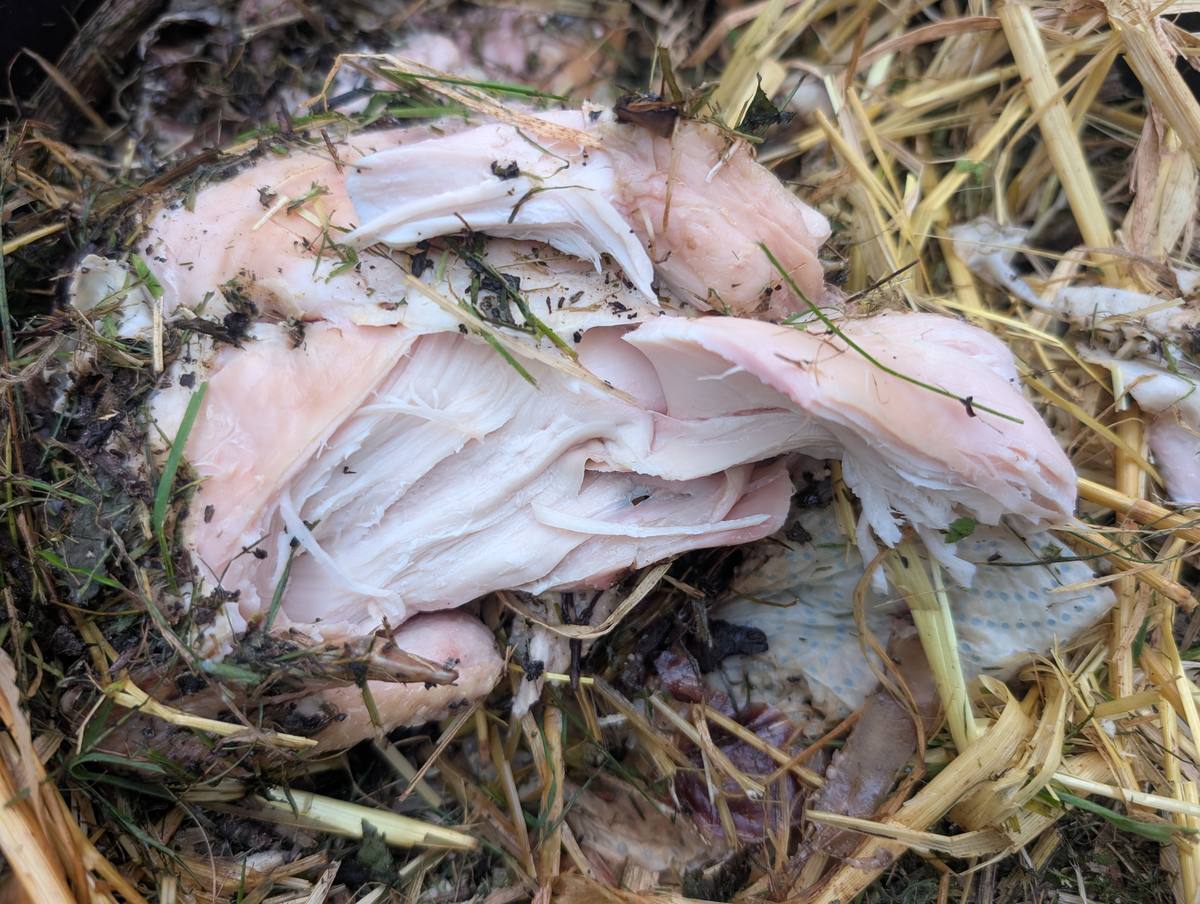
Still, despite the temperature reaching around 60 degrees Celsius, when I uncovered the chicken 24 hours later, it still looked half cooked.
That wasn’t the case the next day. I was planning to mix some more material so uncovered and lifted out the chicken – and it broke apart in my hand. I pulled the breast open to display perfectly cooked white meat.
(Sadly, my wife still didn’t want to eat it.)
At this stage, the material had already shrunk considerably, so I mixed in more material. The previous day I had chopped up the leftover corn stalks from my three sisters garden to provide a brown material – and hopefully some air pockets in the compost too. I mixed this in with the grass, and reburied the chicken.
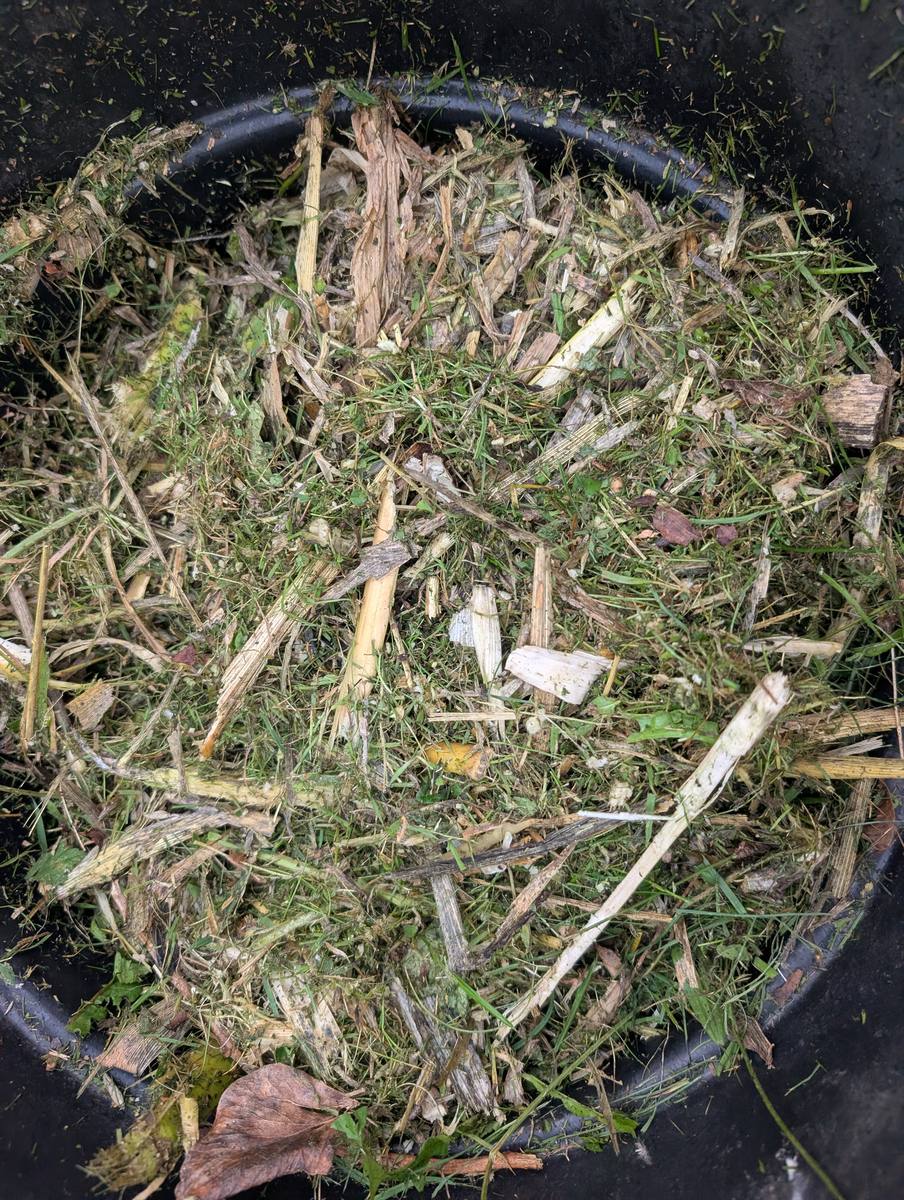
The next day the temperature was even hotter. I’ll continue to monitor the results, but I’m confident that as long as an animal doesn’t dig up the corpse and eat it I’ll get usable compost out of this.
FAQs
Can you actually compost chicken?
Yes, I’ve actually done it several times after my own chickens have passed away. This is simply the first time I’ve actually monitored the results.
Can you cold compost chicken?
I’d previously thought not. However, last winter I managed to compost two chickens in lukewarm compost. The worms loved it, and when I turned it in early Spring the only sign of the chickens I could see was the odd bone.
Are pathogens an issue?
Yes and no. Chicken carcasses can carry pathogens, but the research strongly suggests that composting effectively deals with those pathogens. Hot composting might be a safer bet, but even cold composting gets rid of many pathogens.
To get specific, Salmonella and E. coli are typically dealt with by the composting process (see pathogens in compost) and composting is an approved disposal route for birds with avian flu.
As always, though, take care with raw meat, wear gloves, dig carcasses deep and allow compost sufficient time to mature before using.
Will it attract vermin?
It can. I haven’t had issues with this in compost, but I have when I have buried birds or fish in soil. The key, at least based on my experience, seems to be ensuring that the corpses are buried reasonably deep – the organic material then seems to absorb any smell that might attract animals. Hot composting can help too, as it breaks down flesh much faster, giving little time for rotting flesh to generate smells.
Do the bones compost too?
Mostly. I find the odd bone in compost, but not many. I suspect chicken bones break down more easily than other bones because they are thin and hollow.