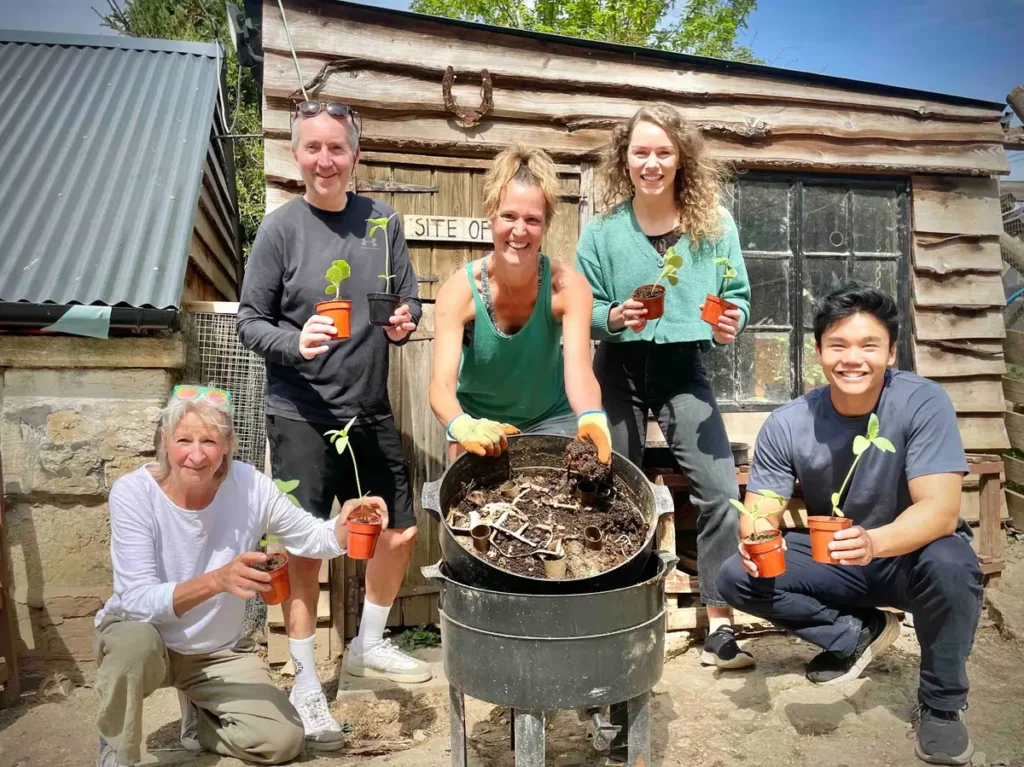
Every morning, Gill Thomas collects dog poop bags from the bins outside her local park and takes them home.
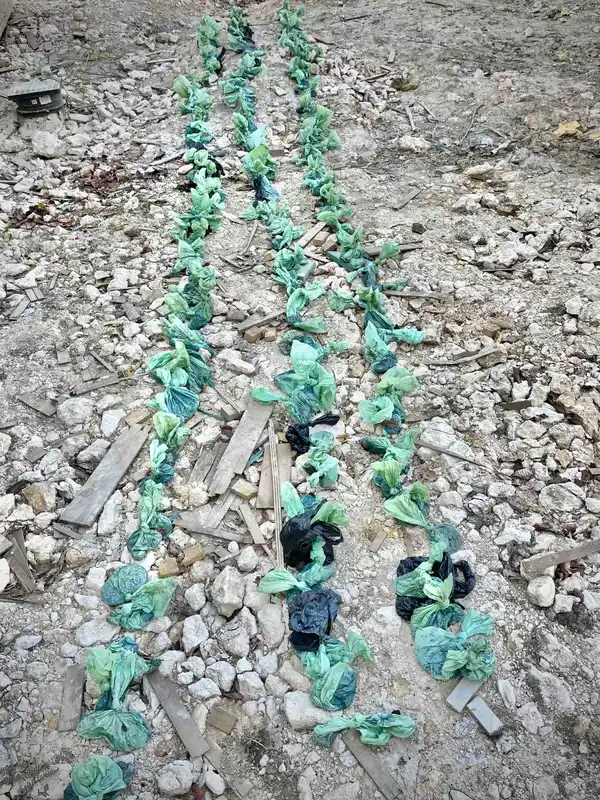
It didn’t begin this way. In spring 2025, a resident flagged what Thomas describes as a “grot spot” – hundreds of littered dog waste bags dumped along a rural lane beside a Gloucestershire Wildlife Trust nature reserve.
Thomas went to look for herself and came home with over 350 bags. She stored them in her garage while she worked out what to do. Council signs went up. The littering continued. By September, she had built and installed a bin herself.
The bags kept coming.
“That’s when a friend mentioned she had an old wormery she no longer used,” Thomas told me.
“I took it off her hands, and that really became the turning point.”
Thomas, a district councillor and the only master composter in Gloucestershire, UK specialising in canine waste, now feeds the bags to worms in a system she describes as “stomach-churning” and “revolting.” Six months in, the material is dark, crumbly, and bears no resemblance to what went in.
A University of Gloucestershire trial is launching this autumn to test whether what she’s doing is actually safe. That trial exists because, despite growing interest in composting dog waste, the science remains genuinely unsettled. Thomas is the first to acknowledge it.
“This is still experimental,” she says. “The point of the research is to turn this into something that is properly evidenced, safe and regulated.”
The pathogens problem
Dog poo isn’t like most organic material you’d add to a compost heap. It carries a specific set of zoonotic pathogens: organisms that can cross from animals to humans and cause real harm [1].
The list includes Salmonella, E. coli, Campylobacter, Giardia, and Toxocara canis – the roundworm whose eggs can survive in soil for years and cause serious illness, particularly in children [2]. Hookworms and whipworms are also common.
That’s why most composting guides default to “don’t” when it comes to dog waste. But the reality is more nuanced.
The researcher who changed how we think about this
In 2024, Dr Michelle Bryson of CQUniversity in Australia published a systematic review of everything the research literature had to say about composting dog waste at home.
Her conclusions were cautious. Hot composting, with thermophilic temperatures maintained above 55°C, showed the most promise. Bryson found it required a minimum of one cubic metre of material and roughly the daily output of ten dogs to sustain the necessary heat [3].
On the other hand, in-ground burial systems concentrate pathogens and may extend their survival time. Commercial composting systems, Bryson noted, do not recommend the resulting compost for use on edible gardens.
Her 2024 review was not a verdict against composting dog waste, per se. However, it did advocate caution over gung-ho home composting.
Fortunately, her next research was more positive.
Time counts
In 2026, Bryson published original experimental research, and this one changed the picture significantly.
Her team found that compost stability rather than temperature is the key indicator of whether dog waste compost is safe. In their study, co-composting dog faeces with food scraps at a carbon-to-nitrogen ratio of 27:1 for twelve months produced compost that met WHO biological safety guidelines. [4].
The compost did not need to reach or sustain high temperatures to achieve this. With both the right time and the right materials the process just worked. This chimes with other research into composting which shows a host of factors contribute to remove pathogens [5].
The vermicomposting question
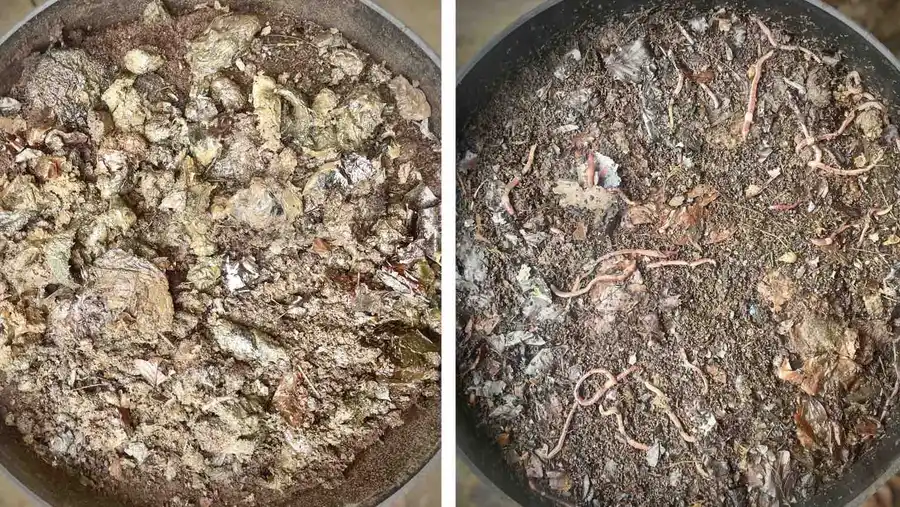
Bryson’s review found this didn’t hold for vermicomposting dog poo. While vermicomposting outperformed some other composting methods, E. coli concentrations failed to drop to safe levels during the process [3].
Thomas knows this, and didn’t dismiss it when I raised it with her directly.
“Research does show that vermicomposting on its own does not reliably eliminate pathogens such as E. coli in dog waste, especially in early processing stages,” Thomas told me. “My wormery work has been exploratory and small-scale, not intended as a certified sanitation method or for producing food-safe compost.”
Pathogens and plastics
We now know that pathogens can be removed from dog poo. However, some veterinarians are concerned about antibiotic and veterinary medicine residues.
A number of studies show that these residues are reduced or removed in the composting process [6]. Peak removal occurs during the thermophilic stage, but removal also happens during the maturing phase.
Next steps
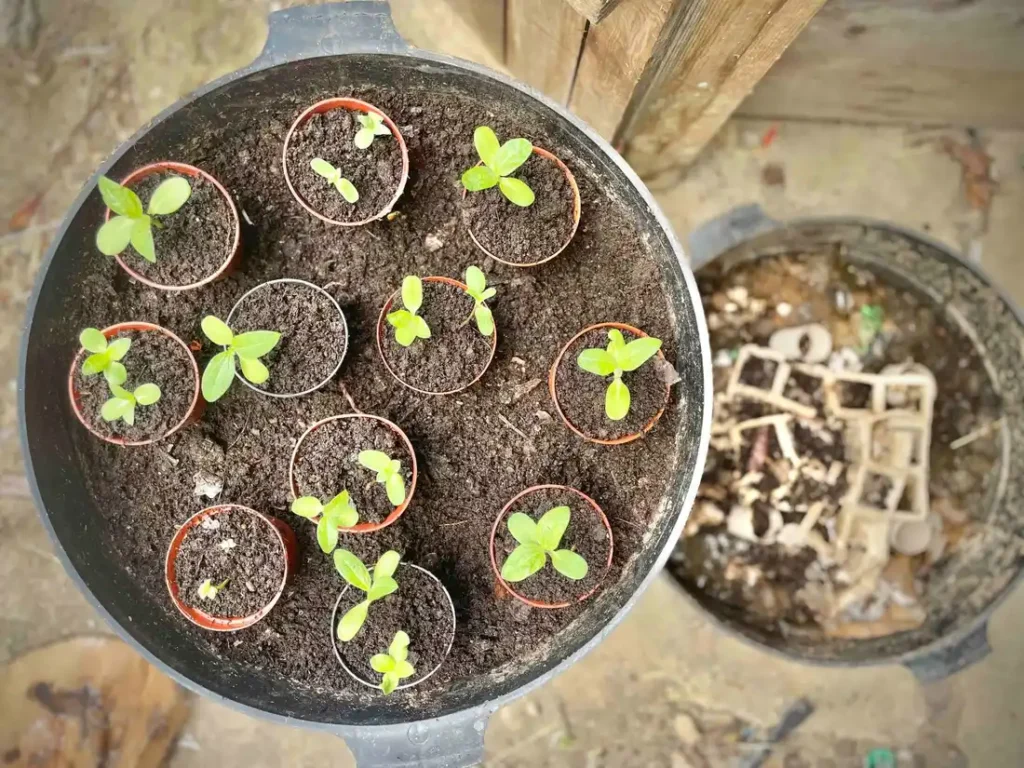
Pet dogs in the USA and the UK produce roughly 31,100 tons of waste per day, with the majority going to landfill or incineration. Research inspired by Thomas is crucial to finding a sustainable alternative.
If you’d like to support Thomas’s work – including funding the formal pathogen testing – you can find her crowdfunding campaign here.
Related posts
- The Pathogen-Destroying Power of Composting
- How Worms Work Their Magic In Compost
- Using Manure in Compost: How to Turn S**t Into Black Gold
- How Humanure Could Change the World
References
[1] Gerba, C. P., & Smith, J. E. (2005). Sources of Pathogenic Microorganisms and Their Fate during Land Application of Wastes. Journal of Environmental Quality, 34(1), 42-48. https://doi.org/10.2134/jeq2005.0042a
[2] Macpherson, C. N. L. (2013). The epidemiology and public health importance of toxocariasis: A zoonosis of global importance. International Journal for Parasitology, 43(12-13), 999-1008. https://doi.org/10.1016/j.ijpara.2013.07.004
[3] Bryson, E., et al. (2024). Household dog fecal composting: Current issues and future directions. Integrated Environmental Assessment and Management, 20(6), 1876-1883. https://doi.org/10.1002/ieam.4970
[4] Bryson, E., et al. (2026). Long-term stabilization and pathogen reduction in small-scale canine waste composting systems. Waste Management Journal.
[5] Vaddella, V., et al. (2018). Assessment of Pathogen Inactivation under Sub-composting Temperature in Lab-scale Compost Piles. Journal of Food Research, 7(3), 64. https://doi.org/10.5539/jfr.v7n3p64
[6] Ramalingam, S., et al. (2022). Degradation of veterinary antibiotics during composting: A review. Bioresource Technology, 344, 126305. https://doi.org/10.1016/j.biortech.2021.126305