Here is where we would usually have a disclosure. But the Lomi was bought with our own funds, and this review contains no affiliate links!
When the Lomi launched, they took a lot of flak for a device which was originally called a composting machine but was actually a dehydrator. (It’s now called a food recycler.)
As we’ll see, you’d be right to doubt the compost angle, as it produces something more akin to sawdust. But not everyone wants a device that makes compost. With that in mind, I reviewed this device for users who prioritise getting rid of food waste.
Note: This review is based on testing notes after two months of usage.
🌱 You’ll love this if: You just want a simple, compact and quick device to get rid of food waste quickly and with zero odour, and are not bothered by the lack of compost.
Skip this if: You don’t like fiddly lids, you want real compost, you would prefer a quieter device, or you need a quick reply from Lomi when you have a question.
Not sure if the Lomi is your perfect match?
Compare it against the GEME Terra II, the Reencle and the rest in our guide to the best electric composters.
Does it work?
We’ve already established it doesn’t make compost, and to demonstrate, you can see the results (middle) compared to other composts in the image below.
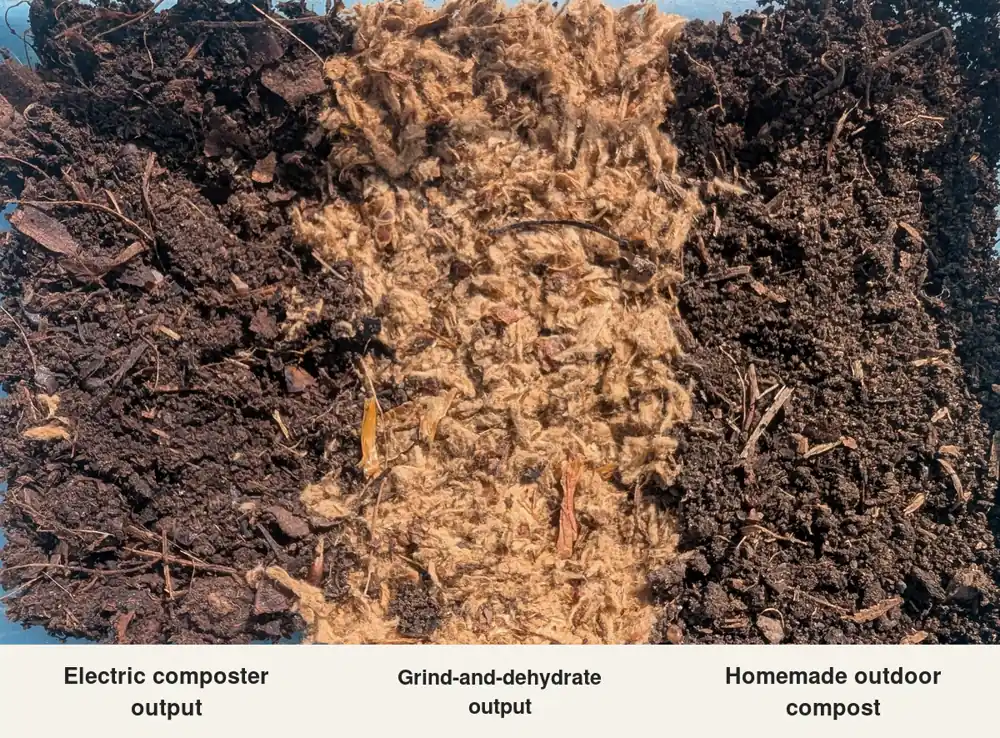
However, it is extremely fast and effective at turning food waste into dehydrated waste. Mussel shells are always a pain to get rid of for me, as they don’t break down, so I was pleased to see that these were broken down well. On the other hand, the device struggled to deal with tough fibrous material such as maize leaves.
The images below show food waste at different stages of the breakdown process in different cycles.
Eco-Express mode
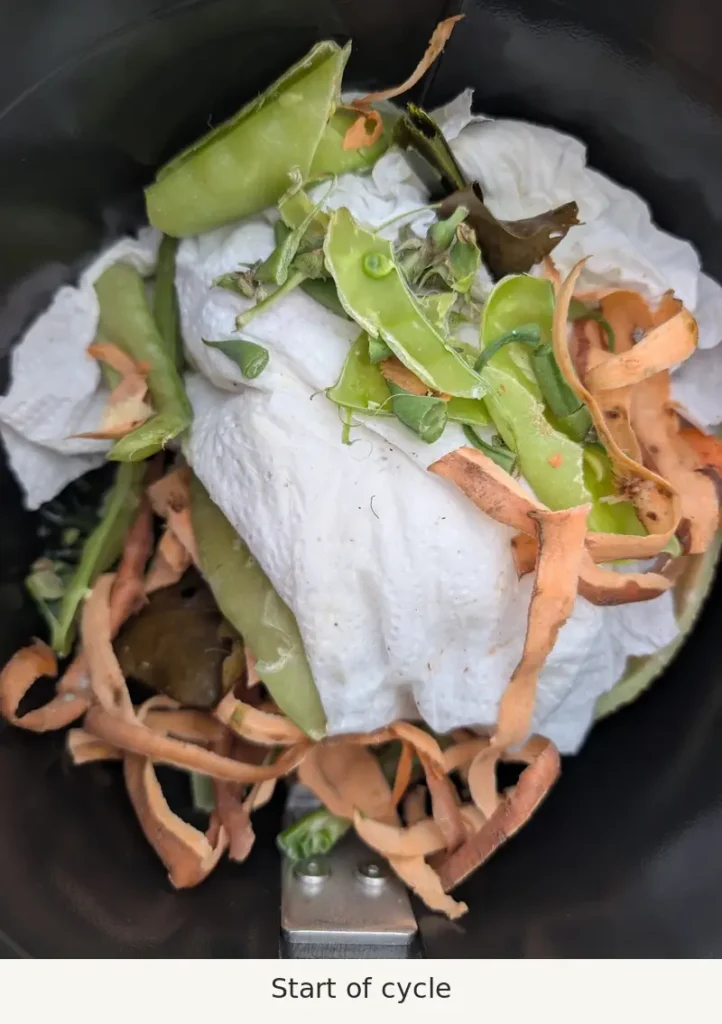
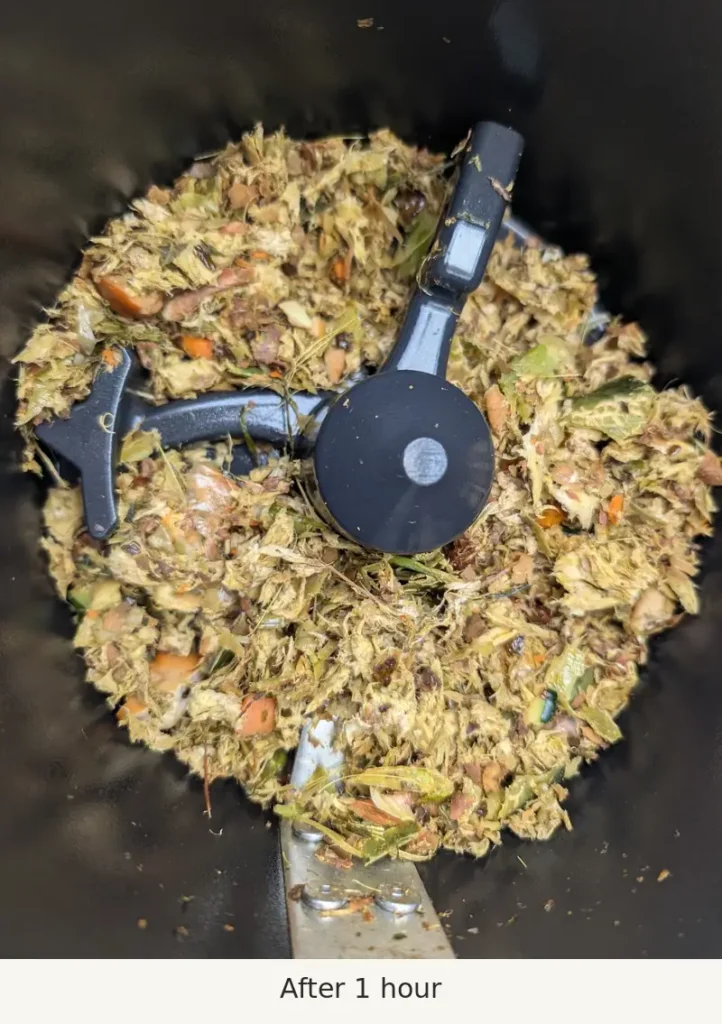
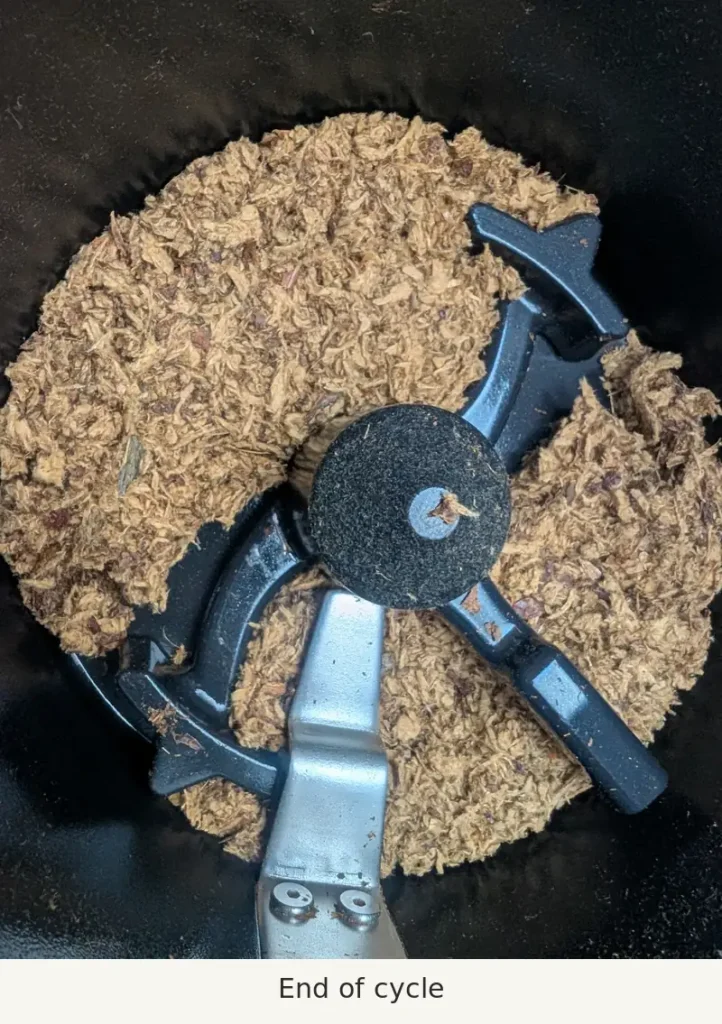
Long cycle
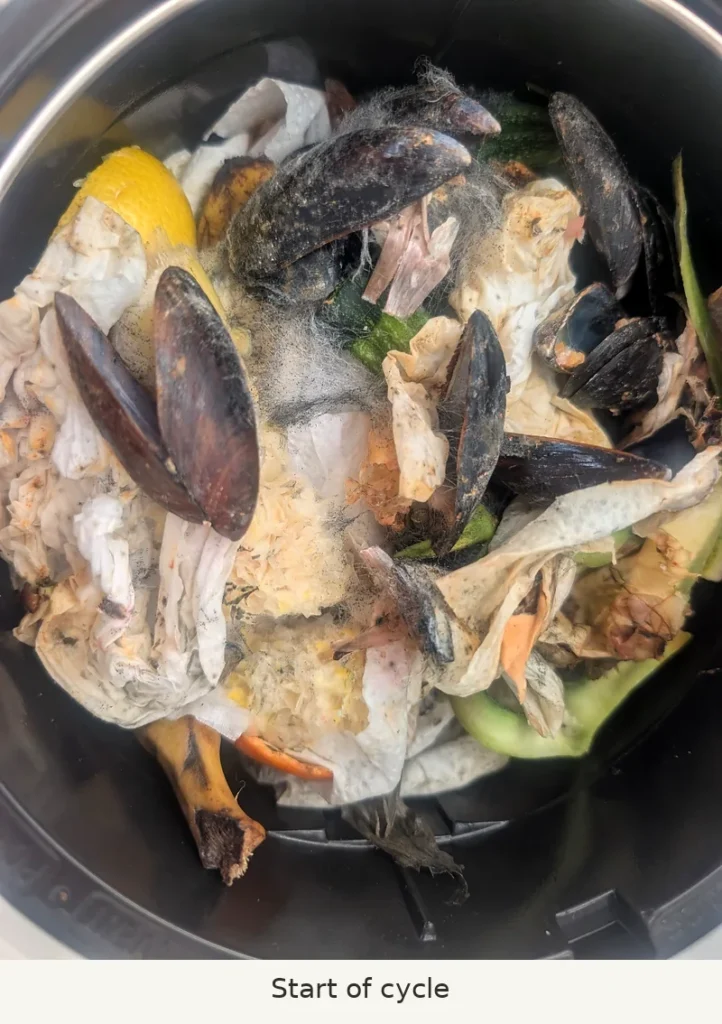
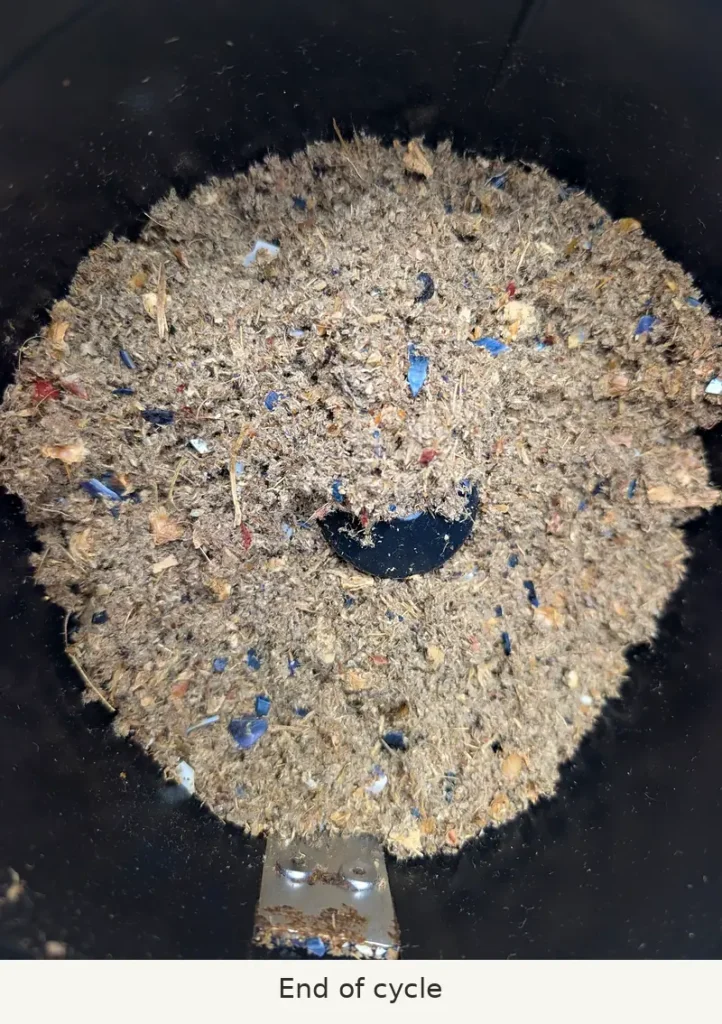
The finished material has no odour, and looks and feels like sawdust.
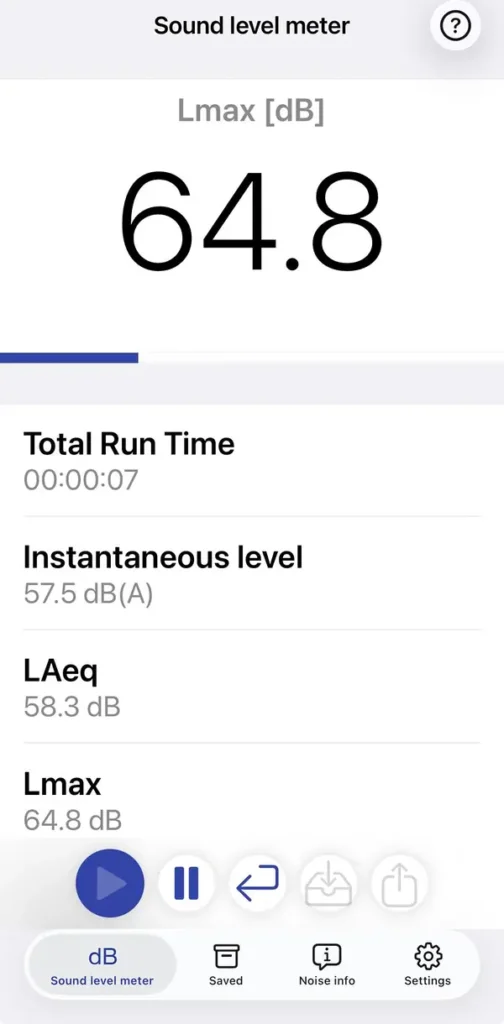
My biggest issue, though, was the lid. I found it fiddly to add and remove, and Siska, who is a lot better at fiddly things than me, found it awkward too. It’s also quite a noisy device, although the short four hour Eco-Express cycles do mean you don’t have to live with it all the time. I measured it at 64.8 decibels during the grinding phase of its Eco-Express mode, about the level of normal conversation.
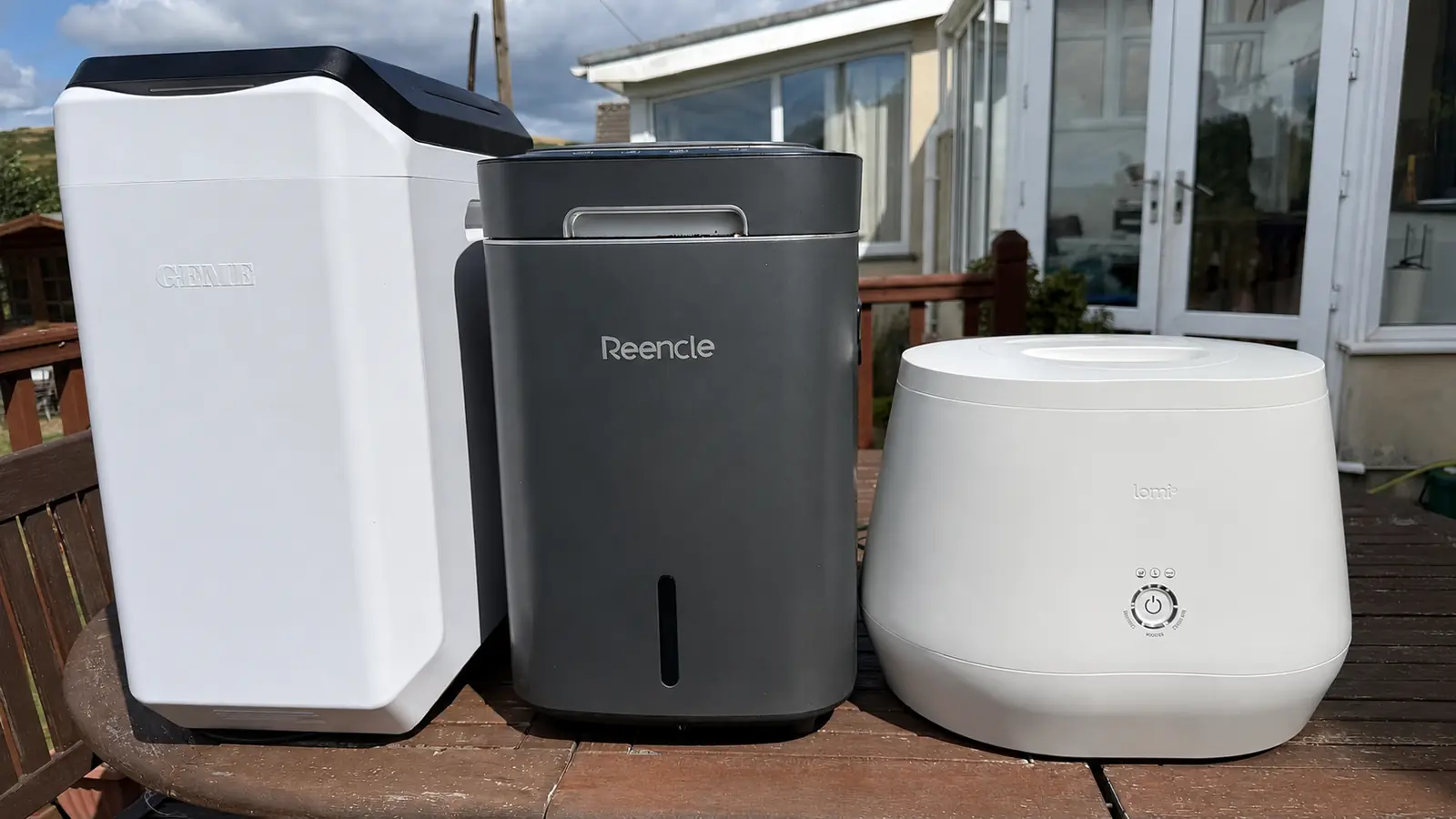
Will it fit in a small kitchen?
One of my gripes so far with the composters we’ve reviewed has been their size. The Lomi is a bit larger than the average kitchen
Can you use the results?
It’s not compost. But you could throw the results into a compost heap, or mix it in with soil, where it will break down over time.
As it’s made with food waste, it’s likely to be high in salt, but as long as it is diluted sufficiently that’s unlikely to cause a significant issue.
What’s customer service like?
The Lomi comes with pellets which include a biological element to improve breakdown speed. I was intrigued by how they worked so fired off a question to their team but had no response other than an automated ‘thank you for your email’ message.
The verdict
It seems counterintuitive to write about a product that doesn’t make compost for Compost Magazine, but it also seems incomplete to write about electric composters without covering the Lomi.
As a gardener who values real compost, I wouldn’t personally buy this device. Whatever system I use, whether it’s a worm bin or an electric composter, I want to get real compost out at the end of the day. Having an intermediate step which turns food waste into a dry, dehydrated material that could be composted doesn’t interest me.
But that doesn’t mean it’s not for everyone. If your priority is getting rid of food waste fast and without odour, this might well be a good option for you.
That said, one thing that remains an annoyance is the customer service, and I think it’s a poor showing not to answer a simple question about the device.
Technical details & specifications
See the full specs
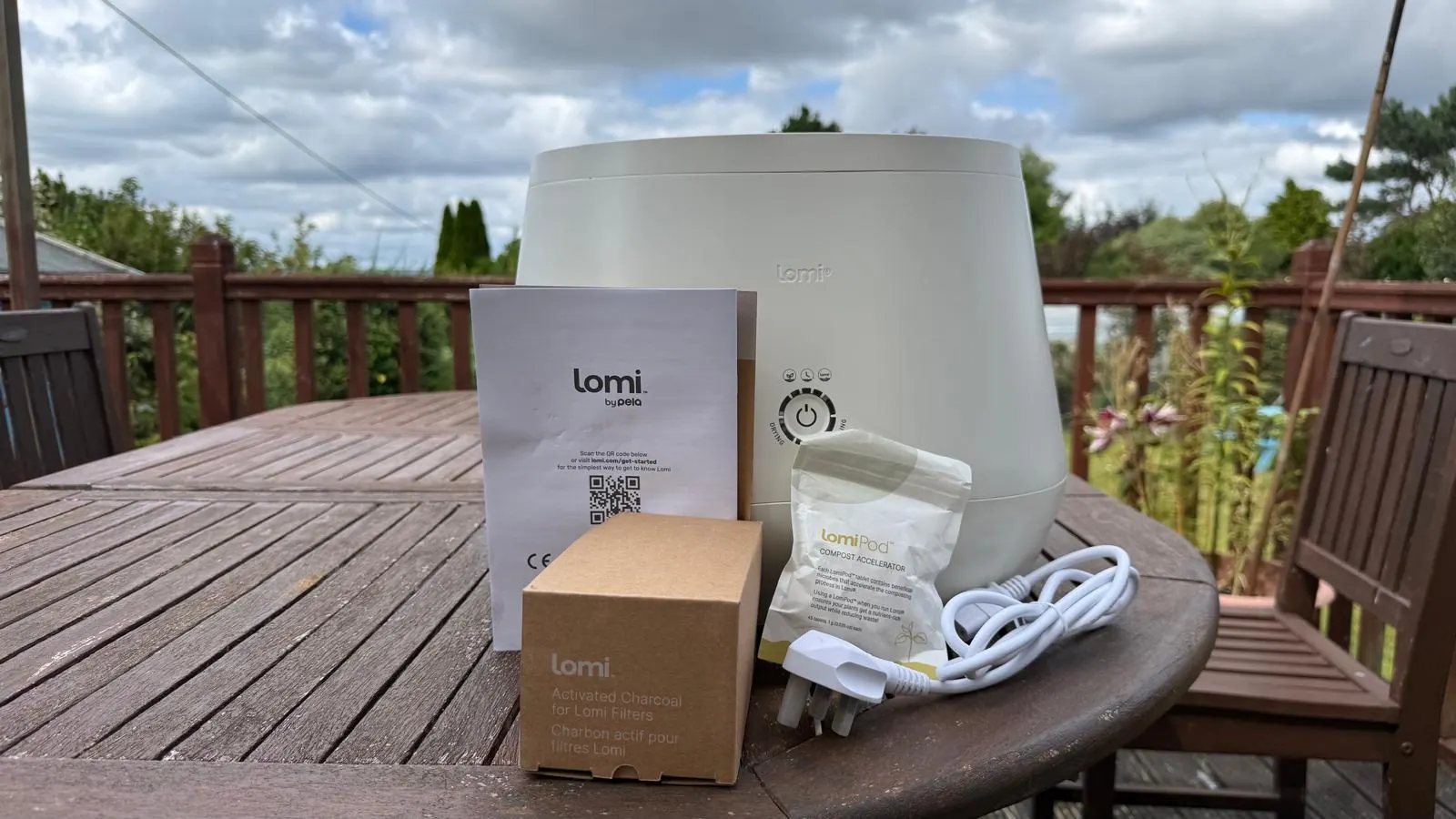
What’s in the box
- 1x Lomi unit
- Power cable with UK plug
- Activated charcoal for the filters
- 1x LomiPod
- Instruction manual
Technical (manufacturer figures unless stated)
- Modes: Eco-Express, Lomi Approved, Grow
- Processing time: Eco-Express 3–5 hours, Lomi Approved 5–8 hours, Grow 16–20 hours
- Capacity: About 2.5 litres
- Waste volume reduction: About 80%
- Dimensions: 40.6 x 33.0 x 30.5 cm (16″ W x 13″ D x 12″ H)
- Weight: 8.6 kg / 18.9 lbs
- Power: 500 W
- Energy per cycle: Eco-Express about 0.5 kWh, Lomi Approved about 0.6 kWh, Grow about 1 kWh
- Noise: Under 60 dB claimed; we measured 64.8 dB at peak, during the grind phase of Eco-Express
The reviewers

Apart from an interlude abroad, when he was stuck in a high rise flat, James has been gardening since the tender age of 7 (which is more years than he cares to admit). He’s composted seriously since 2010, building or using more than 35 composting systems along the way. Since 2018 he has been writing about composting, covering everything from the studies that help inform better composting practices to in-depth
Siska is an accomplished cook who used to own a food business. When she’s not cooking for a hundred people at a time, she’s putting kitchen compost bins through their paces. While James is interested in the science behind them and the compost they produce, Siska assesses bins both from their aesthetics and their practical usability in a busy kitchen.
James and Siska are the parents of two grown-up ‘kids’ and have been happily married since 2002.
Related posts
- GEME Terra II review
A microbial electric composter that makes real compost, which makes it a useful contrast with the Lomi. - Reencle Food Waste Composter review
Another microbial electric composter, and the quietest of the three we have tested. - How electric composters work
What is actually happening inside a grind-and-dehydrate machine like the Lomi, and how that differs from a microbial one. - Are electric composters worth it?
Whether these machines earn their price tag, and when a cheaper method makes more sense.