The internet is full of bad advice, and composting gets more than its fair share of it.
The advice is getting worse too. First people read bad advice and repeated it. Now AI uses advice written on the internet to learn – and then repeats it back to the people putting together bad advice.
Sceptical? Here’s five pieces of bad advice I keep hearing – with the worst saved for last.
1. You can’t compost [insert name of random organic material!]
I don’t know how many times I’ve read this (but it has to be over a hundred).
People name an organic material, and say you can’t compost it.
Sometimes it’s a tricky material to compost (like meat, fish or dairy products). What they mean is it’s challenging to compost. That’s inaccurate, but not too bad.
But sometimes it’s a perfectly sensible thing to compost, like grass clippings. (Mix with chopped dry brown material and it’’l be fine).
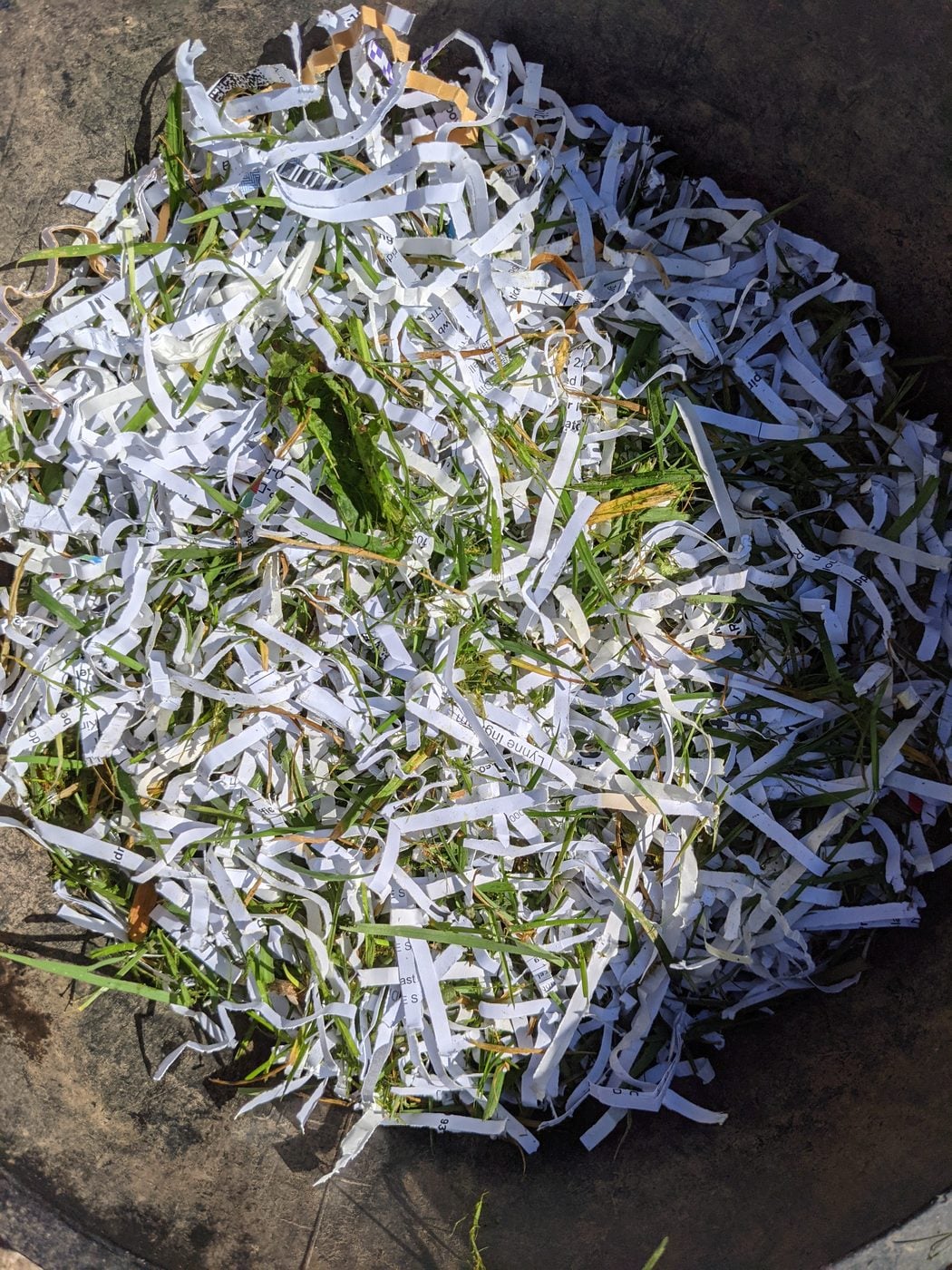
Sometimes the list of things you can’t compost is so long I wonder what people do compost!
If you want the actual answer, we keep two running lists: what you can compost, and the much shorter list of what you can’t.
2. Avoid covering the compost to leave the rain in
That advice might be good in a desert country, but I’ve also seen the advice given in my country.
(Where, by the way, we get 1,465 millimeters/57.6 inches of rain per year.)
Of course, you can leave the cover off and still get compost – organic material is remarkably good at rotting down even when the conditions aren’t perfect.
But that doesn’t mean it’s good advice. Too much water forces the air out of compost, which means in turn that anaerobic [without air] composting takes place.
That’s a slower, smellier process and, some science suggests, may lead to inferior compost being created.
3. Compost can be ready to use in two weeks
From popular composting guides to manufacturers eager to sell you their super-duper composting tumblers/bins/electric composters, everyone promises you that compost can be made fast. Super fast.
What they don’t mention is that just because it looks like compost doesn’t mean it is compost.
Compost needs time to mature before use, otherwise it can damage the plants you use.
Typically for a reasonably well-maintained home compost heap you want at least 6 months – but even professional compost benefits from being left to mature for longer.
Learn more: How Long Composting Really Takes (And How To Speed It Up)
4. You need to get the carbon nitrogen ratio right
No. You. Don’t. In fact, it’s impossible for a regular composter to get exactly the right mix of carbon and nitrogen.
Sure, if you get it roughly right you will get compost faster. But research shows that you can still get compost with a vast array of different ratios.
That’s why people recommend vastly different mixes of green and brown material (typically 3 parts brown to one part green in the US, often 1 part green to part brown in the UK, and sometimes 2 parts green to one part brown) – and everyone still seems to get perfectly good compost.
Learn more about the different ratios you can successfully use!
5. You need to turn compost regularly
The advice to turn in compost every other day (or some similarly ridiculous amount) has stopped many thousands of people from either starting to compost – or from giving up once they have.
In fact, turning compost is just one of many ways to get air into compost, and with a bit of thought you can use vastly less energy than manual turning.
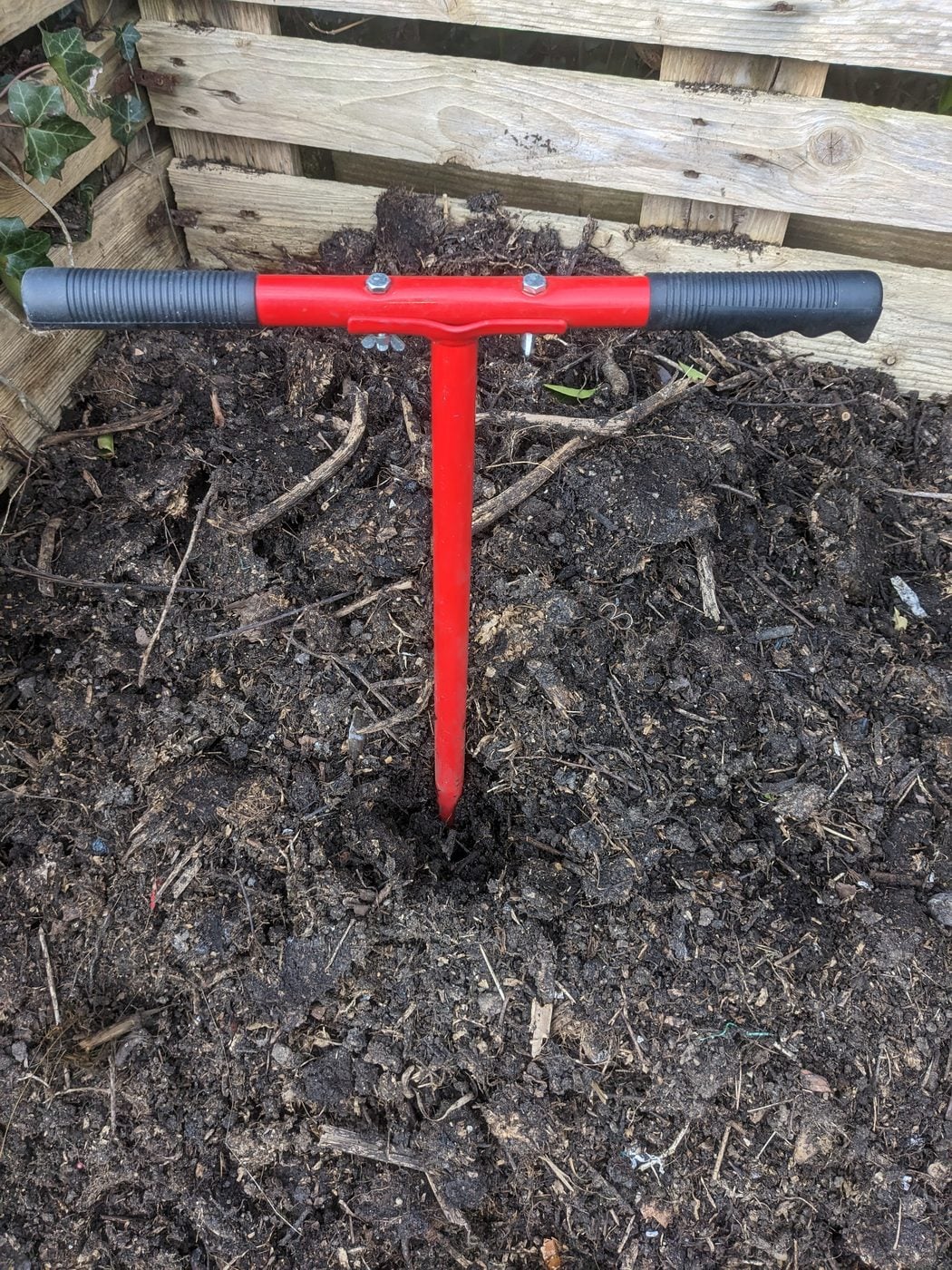
To learn what those methods are see our article: 11 Ways To Aerate Your Compost (Only 1 Involves Turning!)
And the best thing is….
The bad advice I’ve heard can limit how much people compost – and even stop people from composting.
But you know what the good thing is?
You can follow the bad advice here, and at the end of the day you’ll probably still get compost. Maybe not as fast, maybe not as good (and it might smell a bit in the process) – but it’ll still be perfectly usable.