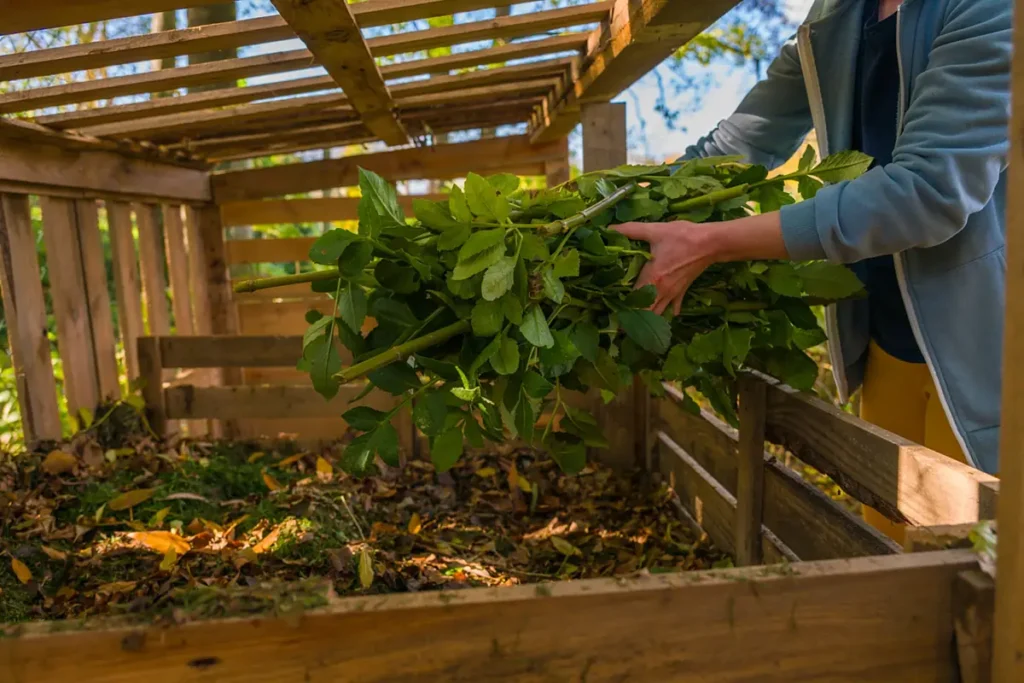
You can spend a lot of money on compost bins. (I’m speaking from experience here!) And while it’s true that a well made
First, many bins are easy to build. Certainly, the ones here are easy enough that I can build them despite my well-deserved reputation for being terrible at DIY. In fact, some of them are easier to put together than a complicated flat pack assembly bin.
Secondly, they’re often very cheap. In fact, if you have the materials to make them, or can pick materials up from the dump, they’re often free.
So if you’re keen to build your own, take a look through these options and see if one fits your needs!
The Builds
Wire Compost Bin
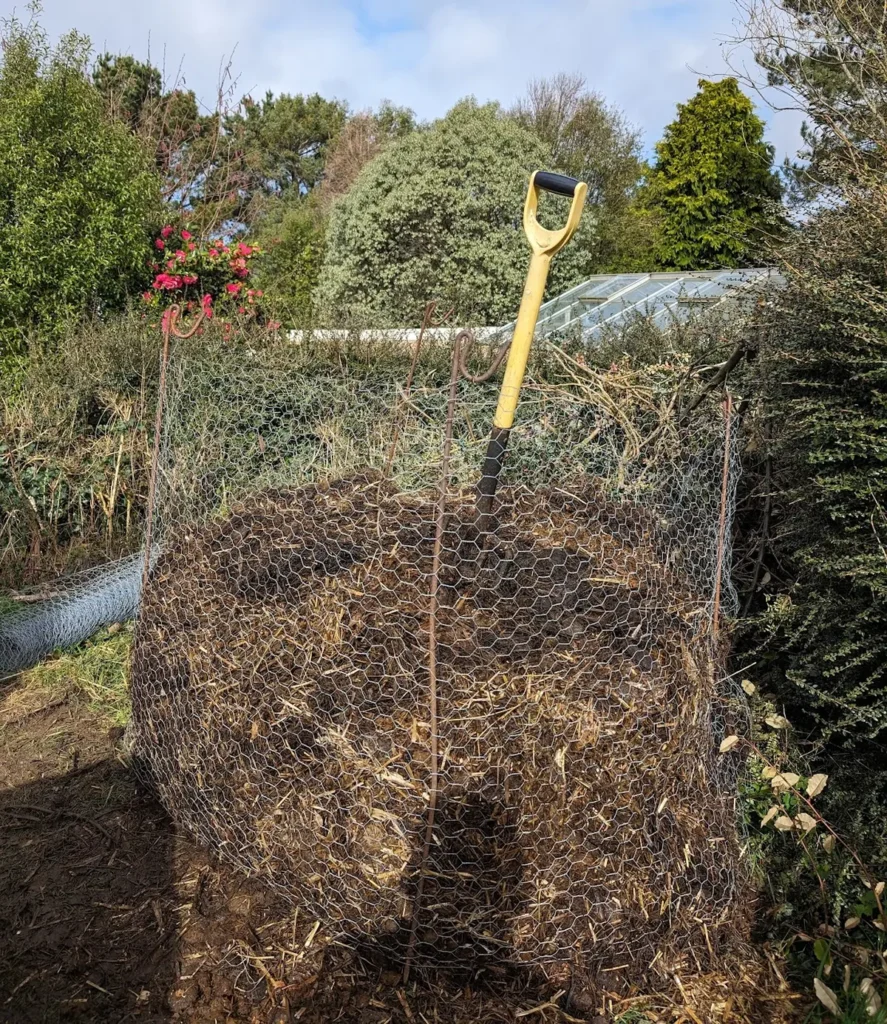
The simplest bin you can make. You simply need a roll of chicken wire, bent into a circle and fastened. It has excellent airflow, it’s easy to turn and cheap to build. The insulation is poor, but you can always add straw. If you’re new to DIY composting, start here.
How to Build a Wire
Pallet Compost Bin
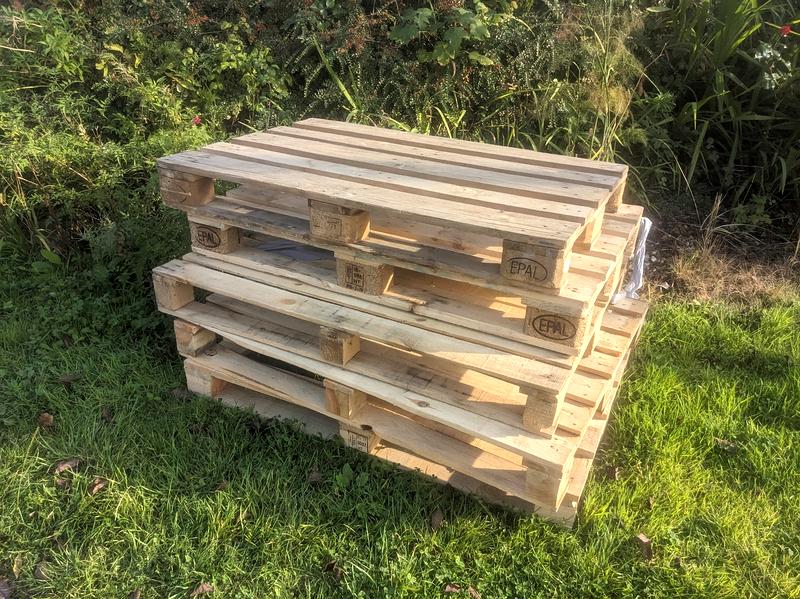
All you need is three or four pallets (depending on design) an hour or so and some screws or wire. It would be easier with two people – but I’ve built most of mine myself.
The end result is a large, robust bin with good airflow, which lasts for around five years and is built almost entirely from materials you can get for free.
How to Build a Pallet
Three-Bin Composting System
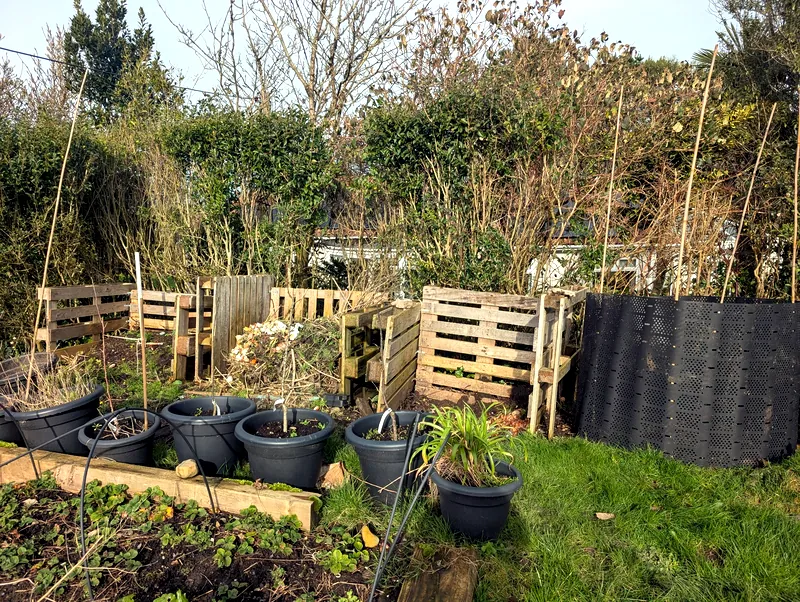
The classic three-bay design can deal with seriously large amounts of waste. Plus you get my original three-bin turning system which cuts the amount of maintenance work in half.
Garbage Bin Composter

Don’t have space for a full bin? A lidded trash can with holes drilled in the sides works surprisingly well. It contains heat and moisture, keeps pests out, and sits neatly against a wall or fence. Plus a simple extra tip for passive aeration…
DIY Worm Composting Bin

Worm bins (vermicomposting setups) are different from regular compost bins – but they’re still super easy to build yourself. Start with a single storage container (you can add more as needed), some bricks and a drill and you’ll have a functioning set up in 20 minutes or less.
How to Build a DIY Worm Composting Bin →
Submerged Worm Bin
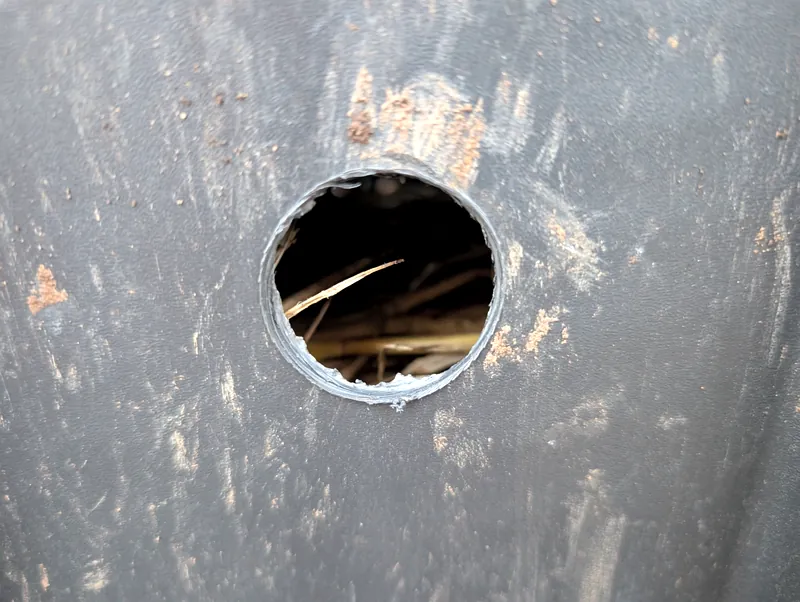
People have spent hundreds of dollars on commercial versions of these. Mine is bigger, and costs less than $20 (plus a bit of sweat). Keeps worms cool in summer, cold in winter and improves the soil around the bin even if you don’t mix in the castings.
How to Build a Submerged Worm Bin →
Micro Composting: Small Bin Experiments

Not every composting setup needs to be large. This guide covers what happens when you compost in a genuinely small bin – what works, what doesn’t, and how to get real results from a compact setup. Great option for teaching kids about composting.
Small
Trench Composting

No bin at all. You dig a trench, bury your organic material, and let the soil do the work. It’s one of the oldest composting methods around, it requires almost no equipment, and it improves the soil exactly where you need it. Particularly good for vegetable beds.
Composting in a Pot

The same idea applied to container growing – burying organic material directly in a pot to feed plants from below as it breaks down. A very simple technique for gardeners without yard space who still want to close the loop between kitchen scraps and growing.
Isopod Bin (Woodlice / Sowbug Composting)
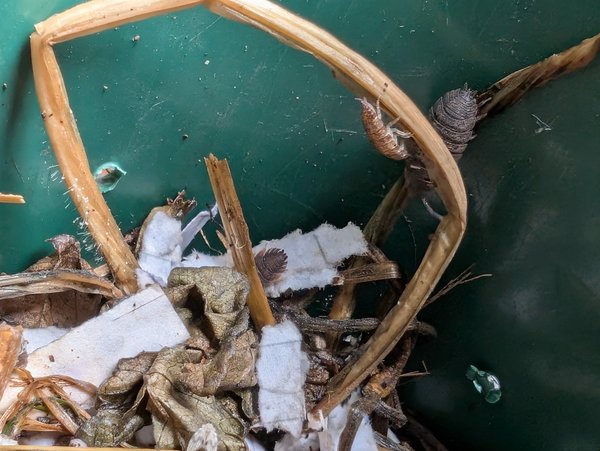
This one is for the experimenters. Woodlice — or sowbugs if you’re in the US — are surprisingly capable composters. They shred tough material that worms and bacteria struggle with, and research suggests they can even remove heavy metals from compost, especially when combined with worms. This guide covers how to build a simple isopod bin and what to expect. Fair warning: the results are still being documented.
Japanese Cardbox Composter
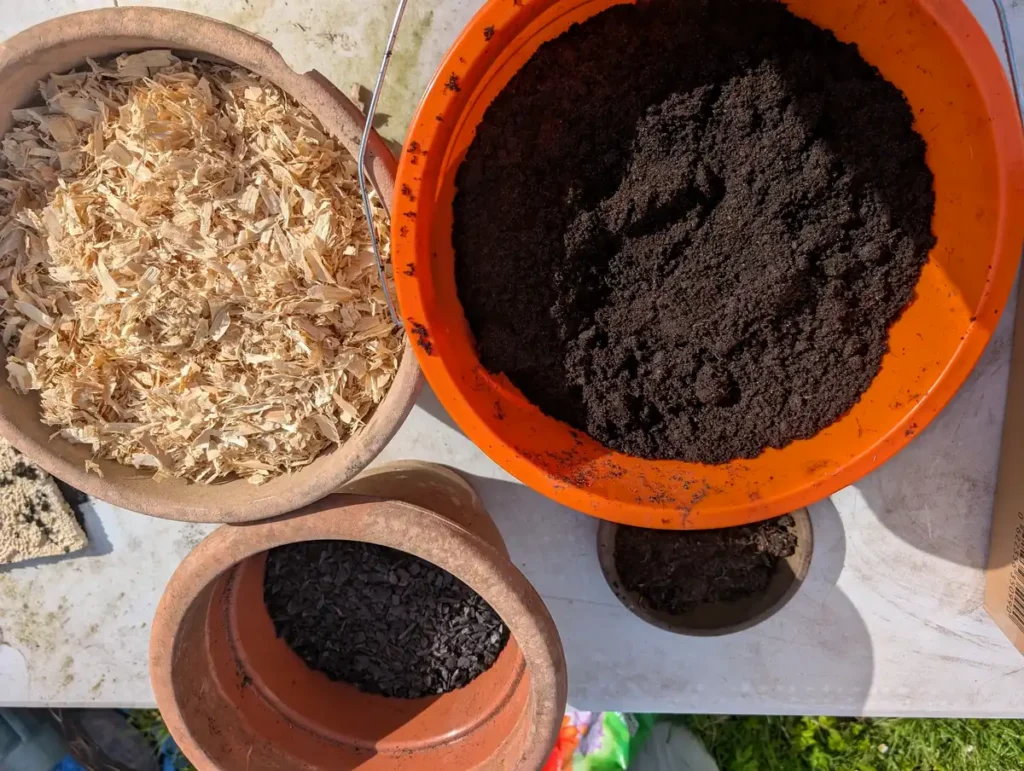
No space? No money? No problem. Japan figured out a simple way to compost in a cardboard box.
We cover the box, the method, the materials – and the alternative materials used in Welsh cardboard box composting.
Wooden Compost Bin
If you want something that looks good and lasts for years, a timber-built bin is the answer. You can tailor the dimensions, add removable front slats for easy access, and treat the wood to make it last. The guide covers both DIY builds and our top store-bought picks for those who’d rather buy than build – from simple single bays to substantial multi-bay setups.
My Top 3 Compost Aerators After 4 Years of Testing
The three aerators we still reach for after four years of turning.
View Guide →Choosing the Right Build
Not sure which to go with? Here’s a quick guide:
- Limited space or budget → Garbage bin composter or wire bin
- No space at all, container gardening → Trench composting in a pot
- Plenty of yard space → Pallet bin or wooden bin
- Composting seriously, large volumes → Three-bin system
- Kitchen scraps only, indoors or outdoors → DIY worm bin
- Want worms working directly in your beds → Submerged worm bin
- No bin, no fuss → Trench composting
- Want it to look good, DIY or bought → Wooden bin
Still weighing your options? Read our guide on Which Type of
Related Posts
- Best Outdoor Compost Bins
- How to Use a Compost Bin
- How Compost Bins Work
- How to Use Kitchen Compost Bins
- How to Stop Mice Getting into Your Compost Bin
- How to Avoid Ants in Your Compost Bin
- How to Stop Your Compost Bin Smelling
My Top 3 Compost Aerators After 4 Years of Testing
The three aerators we still reach for after four years of turning.
View Guide →