When I started gardening, a fellow gardener warned me that once I had eaten my own, it would spoil store-bought tomatoes forever.
It’s a story I’ve heard many times since, with people often far preferring home-grown tomatoes (including, I add modestly, my own) to ones bought from the store.
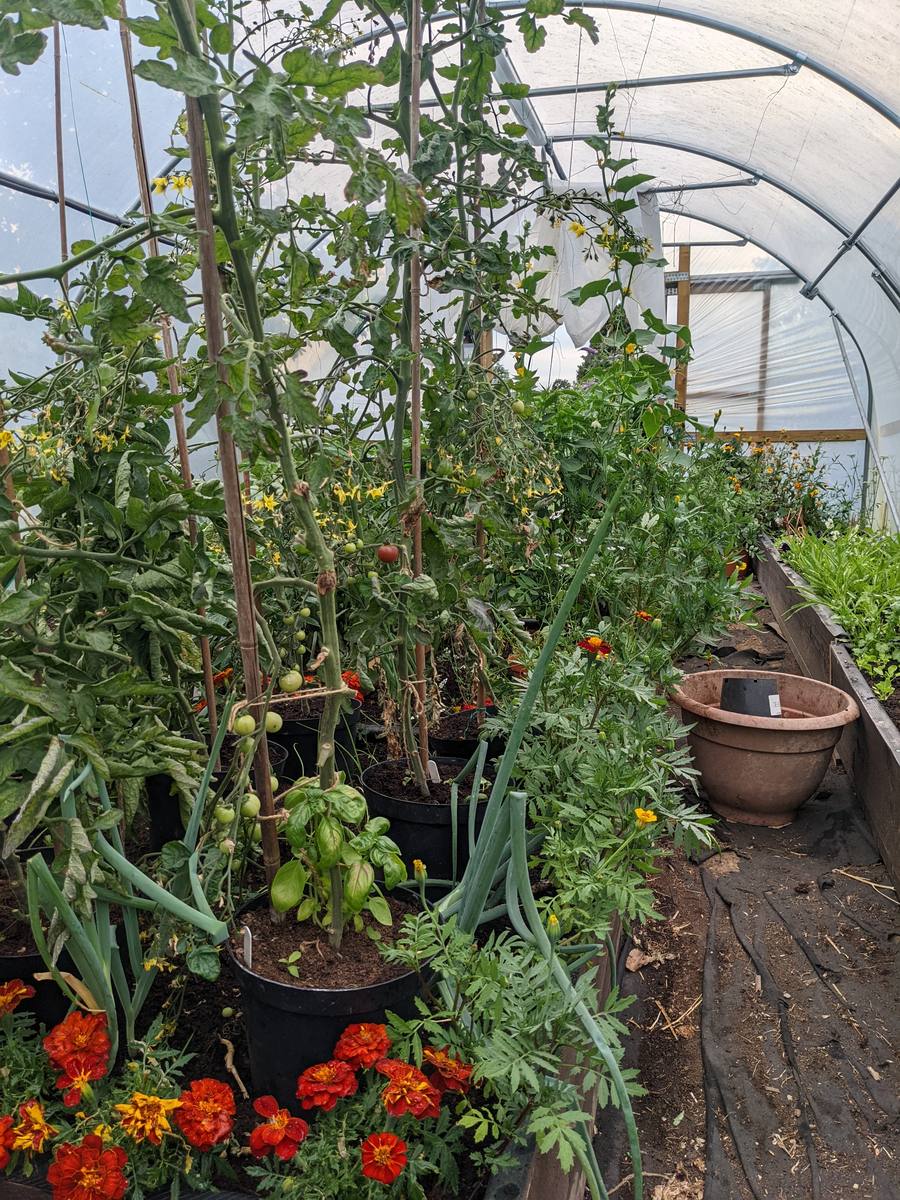
There’s a clue to why this might be, and it’s not just freshness or variety.
In one study at a commercial tomato farm in Australia, scientists from the University of Queensland compared growing tomatoes with both standard fertiliser and compost [1].
The compost was made from FOGO (food and garden waste) – mirroring what is made by many home composters.
The tomatoes were then put through a blind taste test with more than 40 untrained volunteers.
In order to mimic the farm-to-shop journey, the tomatoes were tested twice, once five days after picking and then again after seven more days in storage.
In the first test there was no detectable difference in preference, but after another seven days in storage, the testers were twice as likely to call the compost-grown tomatoes sweet [2].
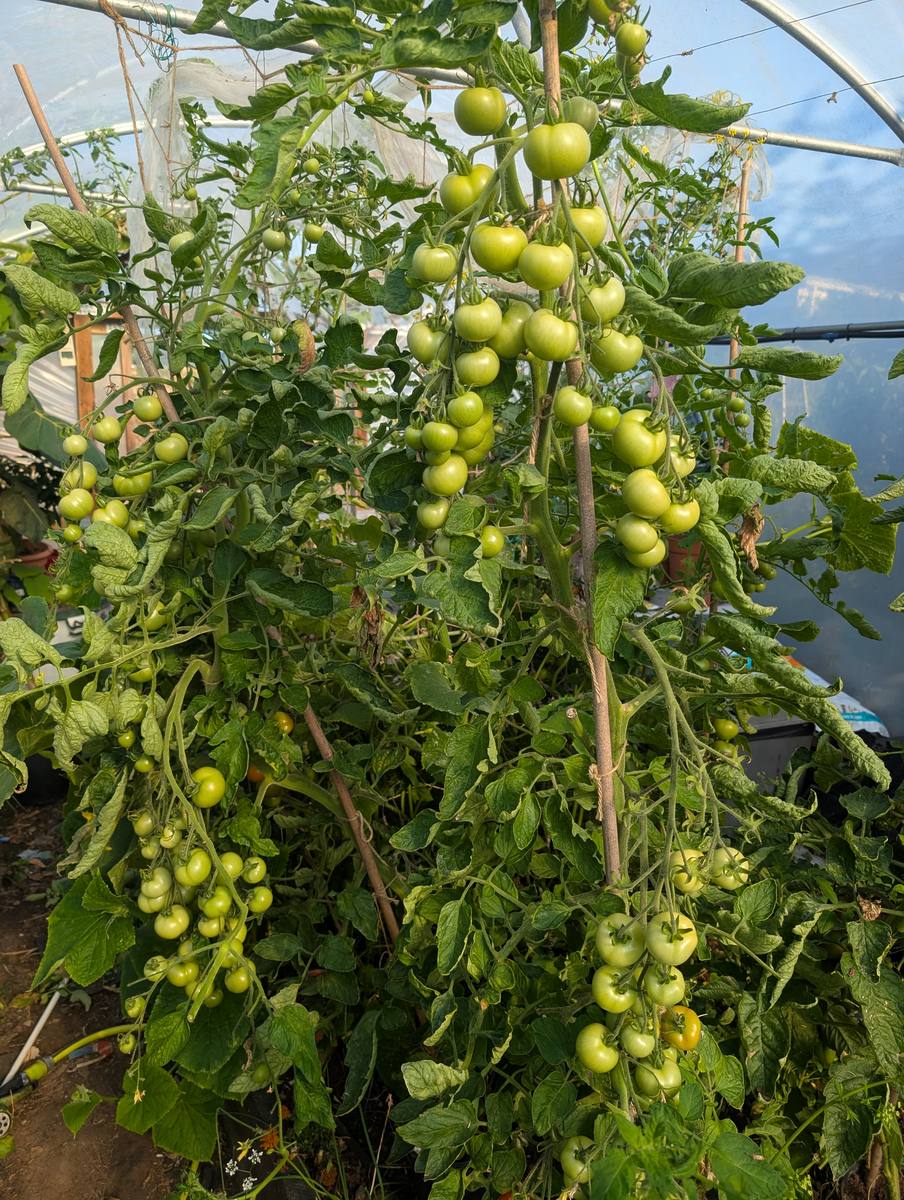
The sweeter taste wasn’t the only benefit. The testers also thought the compost tomatoes looked and smelled better, while the others were more often described as pale and lacking in aroma.
The results were backed up by lab tests, which found the compost-grown tomatoes had more sugar, less malic acid (the acid that makes tomatoes taste sour), more of the amino acids behind savoury, umami flavours, and different aroma compounds.
The taste difference didn’t show up until after the tomatoes had been stored, so gardeners who switch from fertiliser to compost grown tomatoes might not immediately notice the difference.
But it’s worth knowing that other studies have found additional benefits from growing vegetables in compost.
One study found that compost-grown vegetables were more resilient to drought, while other studies have found they were more nutritious than those grown with just fertilisers.
Related articles
- Is Compost-Grown Veg Better For You? Here’s What The Science Says
- Compost Is Secret To Growing More Nutritious Veg Says New Study
- Why Homemade Compost is (Usually) Better Than Store-Bought Compost
- Scientists Report: Vermicompost Grows Plants 38% Taller
- Composting Guide
Sources
[1] Wang, J., Nastasi, J. R., Prakash, S., Dayananda, B., Robinson, N., Schmidt, S., & Bekker, M. Z. (2026). Food and garden organics (FOGO) compost application improves post-harvest chemical and sensory profiles of conventionally grown tomatoes. npj Science of Food. https://doi.org/10.1038/s41538-026-00907-3
[2] University of Queensland. (2026, August 27). Tomatoes get flavour boost from green bin compost. UQ News. https://news.uq.edu.au/2026-08-tomatoes-get-flavour-boost-green-bin-compost