
When I dig into my compost and find thousands of worms wriggling around, my heart leaps with joy.
That’s because worms carry many benefits for the compost heap, helping with everything from aeration to removing pathogens – and adding nutrient-rich worm castings.
Meanwhile, adding that finished compost to the soil encourages other worms, which in turn benefits the soil structure.
Here I’ll dig into what type of worms help your compost, how they help it, how to encourage them and protect them before following up with some of the many fascinating facts about worms.
How do worms help compost?
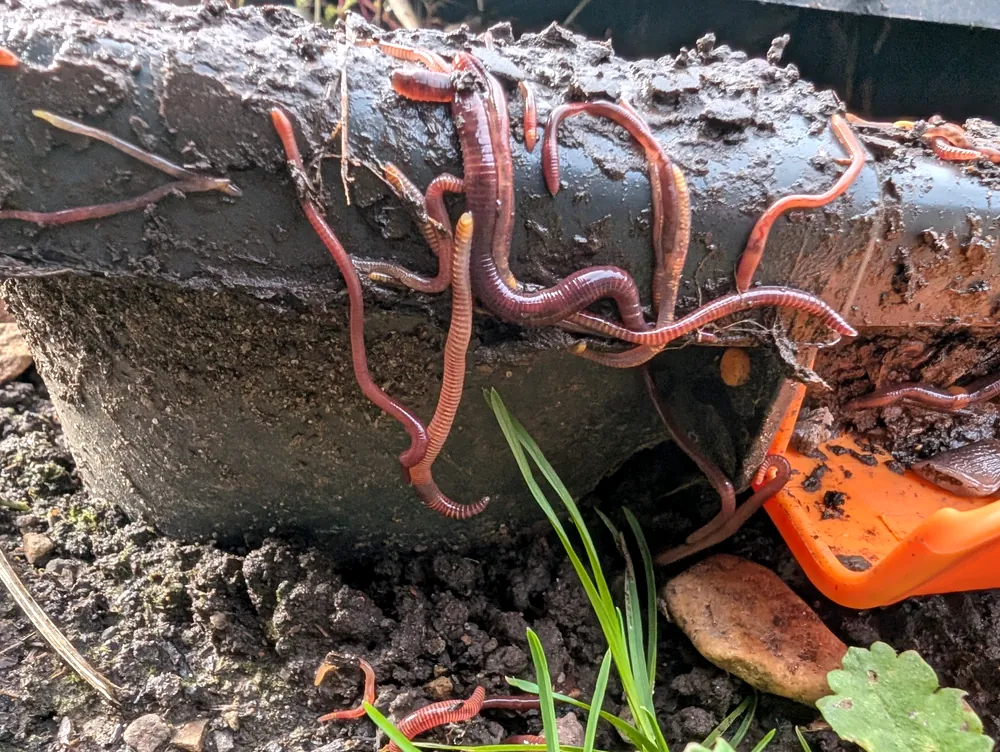
Like all the other creatures in the compost pile, worms have a role to play – a particularly big one in this case!
Shredding
Worms are considered shredders. They break up debris which then makes it easier for other organisms in the compost food web to digest them.
Aeration
As they burrow through the compost heap, they create pathways, aerating the compost and providing oxygen for the other organisms which turn organic material into compost.
Worms can reduce contamination
Hopefully, you won’t have metals in compost anyway, but if you do, worms can help.
Several studies have found that worms can reduce the amount of heavy metal in compost and change the metal’s form to make it less harmful. One study found that worms can reduce the amount of heavy metals by up to 75%.
Scientists are even breeding worms that have evolved near mines to use them to treat contaminated land.
Related: Worms of Steel: How Worm Mucus Can Remove Heavy Metals from Compost
Improve the ability of compost to hold water
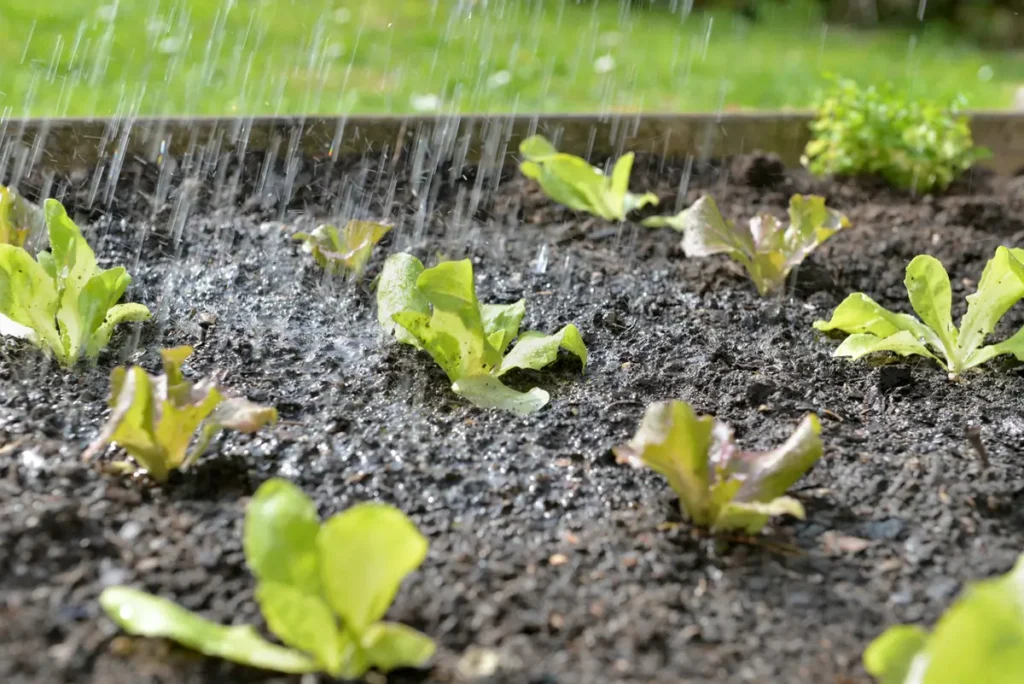
One of the benefits of compost is that it can hold water, helping the soil in times of drought – and research shows that vermicompost is significantly better at holding water than compost made without worms.
See Worms Produce Superior Compost Say Scientists for details.
Worm castings contain nutrients

Worm castings are rich in organic matter.
Teaming with Microbes says that in comparison to ordinary soil, worm castings contain:
- Seven times more phosphorus
- Ten times more potash
- Five times more nitrogen
- Three times more * usable magnesium
- One and a half times more calcium
Of course, most compost contains more nutrients than soil, and a better comparison would be to compare vermicompost to other types of compost. But, it’s not just about the nutrients – it’s about the availability of those nutrients.
Many nutrients in compost and soil are not available to plants because of chemical bonds. The enzymes in worm castings unlock these bonds and make them available to plants.
Perhaps that’s why I have had incredible results mixing in worm castings with regular compost with plants like chillis.
Disease elimination
Traditionally, it was assumed that you needed hot composting to kill pathogens.
However, research has since found that worms can also play a major role in killing diseases.
In one experiment, when a single worm was placed on a Petri Dish contaminated with e-coli, the e-coli was eliminated in just 20 minutes. (Source: Nicky Scott, How to Make and Use Compost.)
Related article: Earth Worms Can Eliminate Antibiotic Resistant Genes Says New Study
Which type of worms helps your compost?

There are thousands of types of worms, but not all of them will inhabit your compost.
Anecic (out of earth) worms form vertical tunnels deep into the soil. These are large worms that feed on fresh litter at night which they drag into their burrows, but deposit their castings on the surface. They are reddish brown in color.
Endogenic (within the earth) worms live further up in the soil. They range in size. Lacking in pigmentation, they can be blue-gray, yellow, pink or white. They form horizontal burrows in the soil.
If you are interested in vermiculture, you will need Epigeic (‘upon the earth’) worms. They feed heavily on organic matter, are happy to be confined in smaller places and tolerate warmer temperatures than other worms.
Needs to be used under shelter. However, has excellent airflow, is exceedingly easy to use and can be put together in minutes.
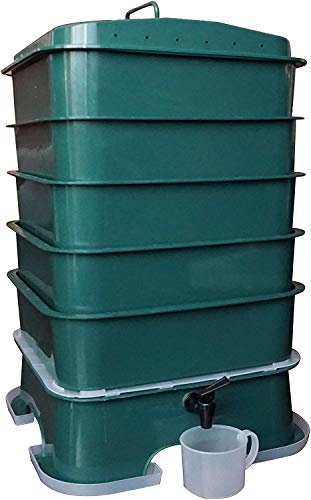
They are also small (usually less than 8cm in size), more lively than other worms and breed rapidly.
The most common compost worm you will see sold is Red Worm or Eisena Fetida. These feisty worms have many names, including but not limited to red wriggler, brandling worm, panfish worm, trout worm and tiger worm.
Eisena Fetida allegedly produces a foul smell when handled roughly (hence the name Fetida, which stands for foul smell). According to the BBC, they also secrete a fluid that deters predatory flatworms.
These resilient worms reproduce quickly and have evolved to tolerate a wider degree of temperatures, acidity and moisture than most other worms.
They are often considered the best option for use in worm farming, although some studies suggest the African Nightcrawler produces better quality compost, and is better at removing heavy metal from compost.
When you compost, watch out for little white worms (and possibly quite a lot of them). These are white pot worms or Enchytraeidae and are an indication that your compost is getting acidic.
How to get worms in your compost
If you are vermicomposting, you will need to add worms.
But what if you are using a more traditional composting method? Then you really don’t need to add worms (although it won’t do any harm if you do).
That’s because worms have an incredible ability to find their way into compost. Indeed, I’ve often found literally thousands of worms in my compost heap without adding a single worm or cocoon.
If you do decide to add worms, here’s a few tips:
- Wait until the compost has cooled down before adding any worms.
- Ensure the compost is moist (but not soaking wet).
- Ensure there is air in the compost (you can do this by aerating it.)
Learn more about how to attract and add worms to your compost bin.
Why aren’t there any worms in your compost?
The compost heap is new.
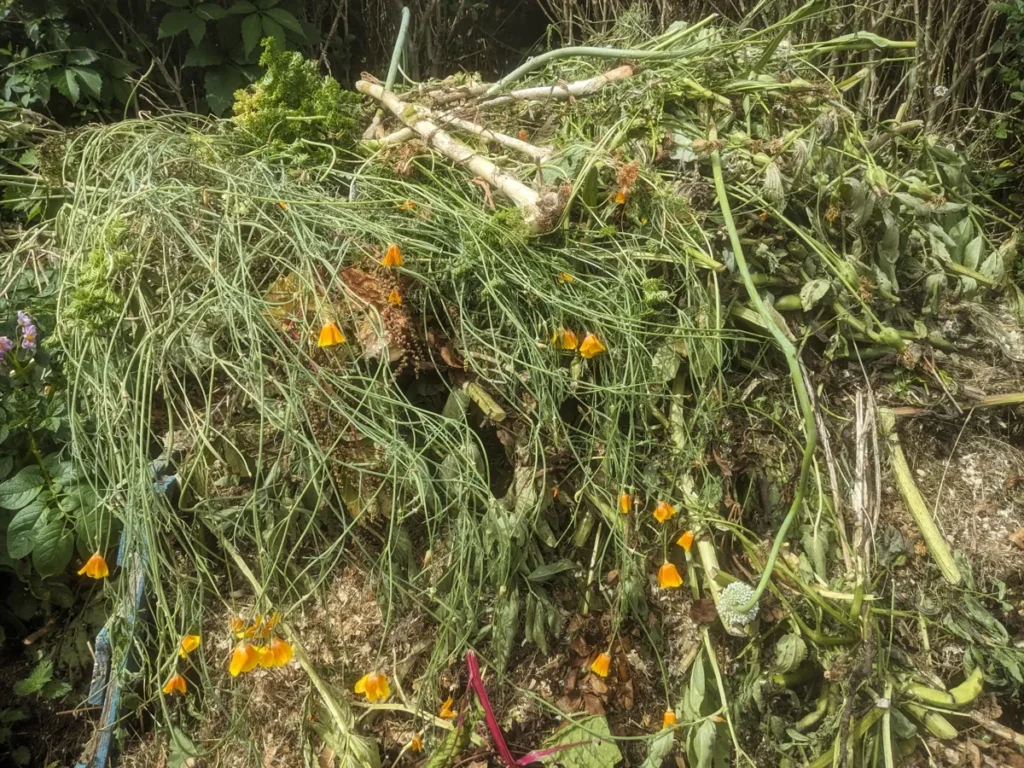
While worms are amazing creatures, it can take time for them to find the compost heap. If your heap is not likely to get very hot, you can add soil – this is likely to contain worm eggs.
The compost heap is too hot
Allow the heap to cool down. You can then wait for worms to find the heap or add them.
Your compost heap is too dry
Worms in compost can use up to 20% of the moisture in their bodies every day, so they need water to stay alive.
However, the bacteria in compost can use up the moisture in your compost, especially if you have a hot active pile. Moisture can also evaporate out of the pile, and leach through the bottom.
The pH is varying wildly
Researchers tell us that worms can tolerate a reasonably wide pH level, they are sensitive to rapid changes in pH.
However, if the compost heap is new, the pH level may be swinging rapidly.
As the compost matures, this will stabilize, creating a better environment for worms.
The compost doesn’t have enough air
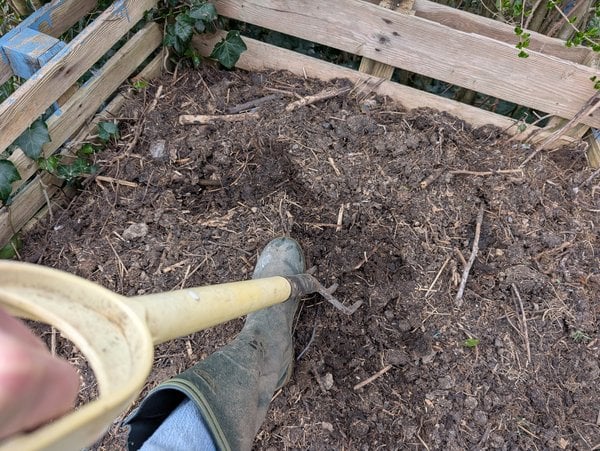
Worms breathe through their skin, and if there is not enough air they will either leave the compost heap or die.
If that’s the case, turning or aerating your compost can help.
Related: 11 Ways to Aerate Your Compost (Only 1 Involves Turning!)
They’re there, but you can’t see them
The behavior of worms can vary from day to day. Some days I find a ton of worms at the top of my
It’s quite possible they are there, but you need to dig down or use a compost aerator to find them.
Wrapping up
Whether you add worms or not, they usually play an incredibly important role in both your soil and your compost.
Even better, unless you are worm composting, you don’t need to do much – they will usually just turn up of their own accord!
Read More

